What happens after you receive a statutory demand?
If your company has been served with a statutory demand, it means you have 21 days to pay the amount due. If you don’t pay, the creditor can issue a winding up petition against your business.
Receiving a statutory demand is a serious issue, made more urgent by the fact that the moratorium on statutory demands and winding up petitions ended on 30th September 2021. The moratorium protected businesses in financial difficulty due to coronavirus.
This means you have no protection even if your business is still struggling as a result of the pandemic. So what exactly is a statutory demand, and how does it affect your company?
What is a statutory demand?
A statutory demand is a written demand for payment of an outstanding sum of money to a creditor. It’s a highly effective way for creditors to recoup outstanding debt, and demonstrates their determination to do so.
A creditor can issue a statutory demand if a company owes them £750 or more, and they have unsuccessfully pursued repayment of the debt using the usual channels. HMRC are known to use these demands to recover tax arrears.
The demand allows you 21 days to pay, but you only have 18 days to challenge it. This is why it’s imperative to act quickly, and seek professional insolvency help if you suspect a creditor might take this type of action.
Concerned about National Living Wage and NI increases?
With the rates of both National Living Wage and employer National Insurance Contributions increasing in recent years, this additional cost of employing staff has added more pressure onto already squeezed cash flows. If you are worried about the impact this is having on your company's finances, talk to the experts at UK Liquidators. As licensed insolvency practitioners we can explain your options and help you plot a way forward. Call today on 0808 253 9878.
How to deal with a statutory demand
Speed is of the essence as time to act is very limited in this situation. You should pay the outstanding sum if your company can afford it, or negotiate payment in instalments. If you genuinely dispute the sum being demanded, however, you can challenge it in court.
It’s important to make sure your challenge is legitimate, as you could be held in contempt of court if it’s viewed as a delaying tactic. We can help you prepare a legitimate challenge if the debt has already been paid or is in dispute.
Stop Creditor Pressure
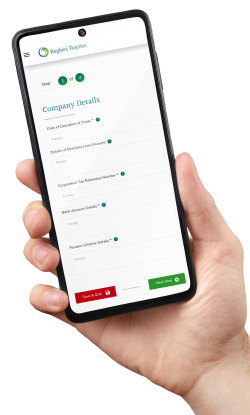
Liquidation Portal For Company Directors
decorative line
Reduce Stress - Lose Creditor Pressure
Clear & Simple Visual Dashboard - Track your Progress
You should inspect the document very carefully to ensure the details are correct, and that it has been served in the prescribed manner. Assuming the debt is legitimate, you then need to decide whether you can afford to pay in full or negotiate with the creditor to pay in instalments.
If you do nothing, it confirms in law the existence of the debt and your creditor is able to petition to wind up your company. Once a winding up petition is issued, you only have seven days to prevent a winding up order being granted by the court.
Start your online liquidation today
If you have decided liquidation is the right option for your limited company, you can take the first step and begin the process online using our online portal. Starting the process is quick, simple, and can be done at a time that suits you. Your information will be submitted to your local UK Liquidators insolvency practitioner who will be with you every step of the way. Click here to start your company’s liquidation online.
Professional assistance with statutory demands
A formal insolvency procedure, such as company administration, could protect your business from any existing or planned legal action. A further potential option is a Company Voluntary Arrangement (CVA). This provides more time to repay some of the overall debt at a rate affordable for the business.
If liquidation is the only option, however, you should enter liquidation voluntarily rather than allow a winding up order to be granted. This is an important consideration as minimising creditor losses is a legal duty for directors of insolvent companies.
The end of the moratorium on statutory demands and winding up petitions leaves companies vulnerable to enforced closure. If your company has been issued with a statutory demand, please call our partner-led team at UK Liquidators. We can provide the reliable advice you need – we offer free, same-day consultations, and operate a broad network of offices around the UK.
Jonathan Munnery
Partner | 20+ Years Insolvency Experience
Jonathan is a Partner at UK Liquidators and member of both the Insolvency Practitioners Association (MIPA) and The Association of Business Recovery Professionals (MABRP). Jonathan has over 20 years’ experience guiding directors through CVL and MVL processes, helping them understand their options and navigate financial distress with clarity and compassion.
IPA Member MABRP Member IPA Regulated
“ Directors often wait too long before seeking advice. The earlier you call, the more options remain available to you — and the better the outcome for everyone involved. ”
Jonathan is a Partner at UK Liquidators and member of both the Insolvency Practitioners Association (MIPA) and The Association of Business Recovery Professionals (MABRP). Jonathan has over 20 years’ experience guiding directors through CVL and MVL processes, helping them understand their options and navigate financial distress with clarity and compassion.
This site uses cookies to monitor site performance and provide a more responsive and personalised experience. You must agree to our use of certain cookies. For more information on how we use and manage cookies please read our PRIVACY POLICY