An insolvency practitioner (IP) is a licensed professional authorised to oversee formal insolvency and restructuring processes on behalf of companies and individuals in financial difficulty. In the UK, you cannot place a company into voluntary liquidation, administration, or a Company Voluntary Arrangement (CVA) without appointing a licensed insolvency practitioner. They are a legally required part of the process - not an optional extra.
Insolvency practitioners do far more than simply wind up companies. They can advise directors before a company reaches the point of formal insolvency, help explore rescue and restructuring options once a company has become insolvent, and in many cases can help a business recover entirely. If your company is struggling financially, speaking to a licensed insolvency practitioner at the earliest opportunity is one of the most important steps you can take.
Insolvency practitioner at a glance
Who can act as an insolvency practitioner?
Licensed individuals regulated by bodies including the IPA, ICAEW, ICAS, ACCA, or SRA
What qualifications does an insolvency practitioner hold?
Must pass the JIEB (Joint Insolvency Examination Board) exams and demonstrate relevant experience
Who regulates insolvency practitioners?
Insolvency practitioner's have a number of licensing bodies, overseen by the Insolvency Service
What procedures can insolvency practitioners administer?
CVL, MVL, Administration, CVA, and other formal insolvency processes
Do you need an insolvency practitioner to liquidate?
Yes, a licensed IP must be appointed for any voluntary liquidation
Can you choose your own insolvency practitioner?
Yes, in voluntary procedures (CVL, MVL)
How do you verify an insolvency practitioner's licence?
Search the Insolvency Service register at Gov.uk
When should you contact an insolvency practitioner?
As early as possible ideally before the situation becomes critical
Stop Creditor Pressure
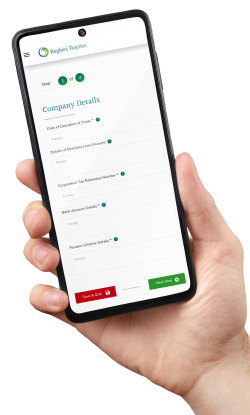
Liquidation Portal For Company Directors
decorative line
Reduce Stress - Lose Creditor Pressure
Clear & Simple Visual Dashboard - Track your Progress
The role of an insolvency practitioner depending on the situation, however, their work broadly falls into three categories:
1. Advising directors of financially distressed companies
Insolvency practitioners are not only called upon when a company is on the brink of closure. They can provide invaluable advice and support to directors as soon as financial difficulties begin to emerge, whether that is mounting debt, persistent cash flow problems, pressure from HMRC, or an inability to pay creditors on time.
Early advice from an insolvency practitioner can make a significant difference in the final outcome of a distressed company. The sooner a director seeks help, the more options are likely to be available, including rescue and restructuring routes that might not be possible once the situation has deteriorated further.
2. Administering formal insolvency procedures
When a company reaches the point where formal action is required, a licensed insolvency practitioner must be appointed to oversee the process. The formal procedures an insolvency practitioner can administer include:
Members' Voluntary Liquidation (MVL) — a tax-efficient closure route for solvent companies with retained profits or assets
Company Administration — a rescue procedure that places the company under court protection while restructuring options are explored
Company Voluntary Arrangement (CVA) — a formal agreement between a company and its creditors to repay debts over time while continuing to trade
In each of these processes, the insolvency practitioner takes on a formal legal role with specific duties both to the company and to its creditors. They are responsible for investigating director conduct, realising company assets, and distributing funds to creditors in the correct order of priority.
3. Closing solvent companies tax-efficiently
Insolvency practitioners are not only associated with financial distress. They are also routinely appointed to close solvent, profitable companies where the director wants to retire or move on and extract retained profits in the most tax-efficient way possible.
This is achieved through a Members' Voluntary Liquidation (MVL), which allows qualifying shareholders to benefit from Business Asset Disposal Relief, reducing the rate of Capital Gains Tax payable on distributions to shareholders. For directors with significant retained profits, this can represent a very substantial saving.
How are insolvency practitioners regulated in the UK?
Insolvency practitioners in the UK are tightly regulated. To act as a licensed insolvency practitioner, an individual must hold a licence issued by one of the recognised professional bodies authorised by the Insolvency Service. These include:
The Insolvency Practitioners Association (IPA)
The Institute of Chartered Accountants in England and Wales (ICAEW)
The Institute of Chartered Accountants of Scotland (ICAS)
The Association of Chartered Certified Accountants (ACCA)
The Solicitors Regulation Authority (SRA)
Obtaining a licence is not straightforward. Practitioners must pass rigorous professional examinations, demonstrate a minimum level of practical experience, and maintain ongoing professional development. Their work is subject to regular monitoring, and complaints can be investigated and sanctions applied including suspension or removal of their licence.
Start your online liquidation today
If you have decided liquidation is the right option for your limited company, you can take the first step and begin the process online using our online portal. Starting the process is quick, simple, and can be done at a time that suits you. Your information will be submitted to your local UK Liquidators insolvency practitioner who will be with you every step of the way. Click here to start your company’s liquidation online.
How do I find an insolvency practitioner and check they are licensed?
You can verify whether an insolvency practitioner holds a valid licence by searching the Insolvency Service's register of licensed insolvency practitioners. This is free to use and shows the practitioner's current licence status, the licensing body, and any conditions attached.
Be cautious of individuals or firms that offer 'insolvency advice' without being licensed insolvency practitioners themselves. Some unregulated advisers charge upfront fees before referring you to a licensed practitioner adding unnecessary cost and delay at a time when speed matters. Always deal directly with a licensed insolvency practitioner from the outset.
At UK Liquidators, all our insolvency practitioners are fully licensed to act in the UK across the full range of corporate and personal insolvency processes including liquidation, administration, and bankruptcy.
What is the difference between an insolvency practitioner and the Official Receiver?
This is one of the most common questions directors ask, and the distinction is important. An insolvency practitioner is a private sector professional, licensed by one of the recognised bodies described above. They can be appointed voluntarily, for example when a director chooses to place their company into a CVL, or they may be appointed by creditors or the court.
The Official Receiver (OR) is a civil servant and officer of the court, employed by the Insolvency Service. The Official Receiver becomes involved automatically when a company is placed into compulsory liquidation following a court winding up order, or when an individual is made bankrupt.
In short: if you choose to liquidate your company voluntarily, you appoint a licensed insolvency practitioner. If a court forces your company into liquidation, the Official Receiver steps in and you lose control of who manages the process.
When should I contact an insolvency practitioner?
Many directors wait too long before seeking professional help. This is understandable, but it can significantly reduce the options available. You should consider contacting a licensed insolvency practitioner if any of the following apply:
You are unable to pay HMRC on time, including VAT, PAYE, or Corporation Tax
You have received a statutory demand or winding up petition from a creditor
You are struggling to pay suppliers or staff wages
Your company's liabilities exceed its assets
You are personally funding the company to keep it trading
You are considering closing the company and want to understand your options
You want to retire or exit the business and extract retained profits tax-efficiently
There is no obligation to proceed with any formal process simply by speaking to an insolvency practitioner. Most offer a free initial consultation, and many directors find that an early conversation opens up options they were not aware of. At UK Liquidators, we offer all directors a free initial consultation where you will be able to speak to a licensed insolvency practitioner who will help you understand your options and suggest the best route forward for you and your company.
How much does an insolvency practitioner cost?
The cost of appointing an insolvency practitioner varies depending on the type of procedure, the complexity of the case, and the firm you appoint. However, in many cases the insolvency practitioner costs are met from the company's assets and not from the directors personally.
In a CVL, the insolvency practitioner's fees are typically paid from the proceeds of selling the company's assets. If the company has limited assets, you can consider alternative fee arrangements, including funding from a director's redundancy entitlement or paying in instalments over an agreed period of time.
In an MVL, fees are again met from the company's assets, which in a solvent liquidation are typically substantial enough to cover them comfortably.
Can I choose my own insolvency practitioner?
Yes, in most voluntary procedures, including CVL and MVL, the director has the right to choose which licensed insolvency practitioner they appoint. This is an important right and one worth exercising carefully.
Choosing the right insolvency practitioner matters for a number of reasons. Their expertise, communication style, and fee structure will all have a bearing on how smoothly the process runs and the outcome for you and your creditors. When choosing an insolvency practitioner to act on your company's behalf, always ensure they are licensed to act in the type of procedure you need.
In compulsory liquidation, you do not get to choose as the Official Receiver is appointed automatically by the court.
How UK Liquidators can help
All insolvency practitioners at UK Liquidators are fully licensed and regulated, with extensive experience of helping company directors navigate financial difficulty, whether that means exploring rescue options, managing a voluntary liquidation, or closing a solvent company tax-efficiently.
We offer a free initial consultation with no obligation and operate from over 100 offices across the UK. If you would like to speak to a licensed insolvency practitioner about your company's situation, call our team today or take our free 60 Second Test to get an instant understanding of your options.
Frequently Asked Questions
Do I need an insolvency practitioner to close my company?
Whether you need an insolvency practitioner to close your company depends on the closure route chosen. If you are closing a dormant company with no debts via strike off (dissolution), you do not need an insolvency practitioner. However, if you want to close an insolvent company via a CVL, or a solvent company via an MVL, a licensed insolvency practitioner must be appointed. Attempting to close a company with outstanding debts via strike off is not permitted.
Can an insolvency practitioner help save my company rather than close it?
Yes, insolvency practitioners are not solely focused on closure and will always look at ways of saving a limited company if viable. They can advise on and administer rescue procedures including Company Administration and Company Voluntary Arrangements (CVAs), which allow a viable business to continue trading while restructuring its debts. Speaking to an insolvency practitioner early gives you the best chance of exploring these options.
What is the difference between an insolvency practitioner and a liquidator?
A liquidator is a specific role that an insolvency practitioner takes on when appointed to wind up a company. In other words, all liquidators are insolvency practitioners, but not all insolvency practitioners act as liquidators as they may also act as administrators, CVA supervisors, or advisory practitioners in other insolvency procedures.
Can an insolvency practitioner be appointed by creditors rather than directors?
While directors typically initiate a CVL, creditors can also apply to the court for a winding up order, which results in the Official Receiver being appointed. In some insolvency procedures, creditors also have a say in which insolvency practitioner is appointed or can replace one they are not satisfied with.
What happens if I use an unlicensed insolvency adviser?
Unlicensed advisers have no legal authority to administer formal insolvency processes. They cannot place your company into liquidation, administration, or a CVA. Some unregulated advisers charge significant fees for advice and referrals before passing you on to a licensed practitioner, costing you time and money you can ill afford. Always verify a practitioner's licence before engaging their services.
How long does the insolvency process take once an IP is appointed?
It varies significantly by procedure. A straightforward CVL typically completes within three to six months. An MVL is similar. Company administration can last 12 months or longer depending on the complexity of the restructuring or sale involved. A CVA, if approved, typically runs for three to five years as the company repays its debts under the agreed terms.
Will an insolvency practitioner investigate my conduct as a director?
Yes, in any insolvent liquidation (CVL or compulsory liquidation), the insolvency practitioner is legally required to investigate director conduct and submit a report to the Insolvency Service. Directors who have acted responsibly, sought advice early, and cooperated fully have little to fear from this process. Directors who have traded wrongfully, taken excessive remuneration while insolvent, or failed to keep proper records may face personal consequences including disqualification.
Jonathan Munnery
Insolvency & Restructuring Expert | 20+ Years Insolvency Experience
Jonathan is a Partner at Real Business Rescue and member of both the Insolvency Practitioners Association (MIPA) and The Association of Business Recovery Professionals (MABRP). Jonathan has over 20 years’ experience guiding directors through CVL and MVL processes, helping them understand their options and navigate financial distress with clarity and compassion.
IPA Member MABRP Member IPA Regulated
“ Directors often wait too long before seeking advice. The earlier you call, the more options remain available to you — and the better the outcome for everyone involved. ”
Jonathan is a Partner at Real Business Rescue and member of both the Insolvency Practitioners Association (MIPA) and The Association of Business Recovery Professionals (MABRP). Jonathan has over 20 years’ experience guiding directors through CVL and MVL processes, helping them understand their options and navigate financial distress with clarity and compassion.
This site uses cookies to monitor site performance and provide a more responsive and personalised experience. You must agree to our use of certain cookies. For more information on how we use and manage cookies please read our PRIVACY POLICY