Understanding a private company limited by guarantee
A company limited by guarantee has guarantors rather than shareholders, and isn’t usually established to make a profit. It’s a legal structure that offers protection from financial liability to the individuals involved in the company.
Any profits that are made aren’t distributed in the same way as a company limited by shares. They may be retained for future use by the company, for example, or used to market and promote the organisation’s work or purpose.
What type of organisations are limited guarantee companies?
These are just a few examples of organisations that might choose the limited by guarantee corporate structure:
Non-profit organisations
Charities
Sports clubs
Trade and other associations
Schools and colleges
Community groups
Concerned about National Living Wage and NI increases?
With the rates of both National Living Wage and employer National Insurance Contributions increasing in recent years, this additional cost of employing staff has added more pressure onto already squeezed cash flows. If you are worried about the impact this is having on your company's finances, talk to the experts at UK Liquidators. As licensed insolvency practitioners we can explain your options and help you plot a way forward. Call today on 0808 253 9878.
What is the structure of a company limited by guarantee?
Members of a company limited by guarantee are called ‘guarantors.’ They can be individuals or corporate bodies, but their names and details are included on the register at Companies House.
Directors are appointed, and they run the company in the same way as a company limited by shares, although the overall purpose is very different. The financial liability of members is limited by the pre-set guarantee value, which is often £1, and a ‘statement of guarantee’ from each member is lodged with Companies House on formation.
Requirements for establishing a company limited by guarantee
Stop Creditor Pressure
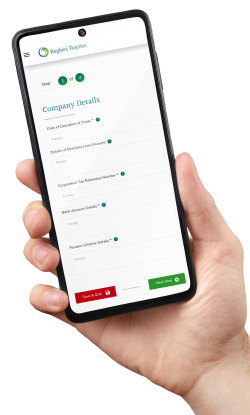
Liquidation Portal For Company Directors
decorative line
Reduce Stress - Lose Creditor Pressure
Clear & Simple Visual Dashboard - Track your Progress
Using Standard Industrial Classification (SIC) codes, which identify the type of activities the company undertakes
Appointing at least one guarantor and one director, although one person can combine these roles
Providing details of People with Significant Control (PSCs) – these are typically directors and guarantors
Developing a Memorandum and Articles of Association - The Memorandum details each member of the company, and the fact that they have agreed to become members - The Articles of Association set out the regulations and rules by which the company will operate, typically including the powers held by directors and a dispute resolution procedure
What are the benefits of setting up a limited guarantee company?
The company is a separate legal entity and members benefit from limited liability to the level of the pre-set guarantee. Consequently, they don’t have to worry about personal liability for any future company debts.
The limited guarantee structure improves credibility and instils confidence in stakeholders. If the organisation needs external support, for example, the status conveys a professional and stable organisation with a defined purpose.
There’s no hierarchy within the company based on shareholding, as is the case with companies limited by shares. Each member is equal in standing to the others, and has equal rights.
Start your online liquidation today
If you have decided liquidation is the right option for your limited company, you can take the first step and begin the process online using our online portal. Starting the process is quick, simple, and can be done at a time that suits you. Your information will be submitted to your local UK Liquidators insolvency practitioner who will be with you every step of the way. Click here to start your company’s liquidation online.
Are there any disadvantages to forming a company limited by guarantee?
Potential disadvantages could include:
The requirement for members to file annual accounts and returns with Companies House and HMRC, as well as notify Companies House of any changes to the registered address of guarantors/directors
The annual costs of running a company limited by guarantee are higher than those of a voluntary organisation
The requirement to keep proper accounting records and file statutory accounts and returns may become onerous
A key feature of a company limited by guarantee is its separate legal status, which offers protection to members. Essentially, it is responsible for its own debts in the majority of cases. An example of when a director or guarantor may become financially liable for the company’s debts includes where misdemeanour has taken place, such as misappropriation of funds.
UK Liquidators can provide more information on this, and companies limited by guarantee in general. Please contact our expert team to arrange a free, same-day consultation – we work from offices located throughout the UK.
Jonathan Munnery
Insolvency & Restructuring Expert | 20+ Years Insolvency Experience
Jonathan is a Partner at Real Business Rescue and member of both the Insolvency Practitioners Association (MIPA) and The Association of Business Recovery Professionals (MABRP). Jonathan has over 20 years’ experience guiding directors through CVL and MVL processes, helping them understand their options and navigate financial distress with clarity and compassion.
IPA Member MABRP Member IPA Regulated
“ Directors often wait too long before seeking advice. The earlier you call, the more options remain available to you — and the better the outcome for everyone involved. ”
Jonathan is a Partner at Real Business Rescue and member of both the Insolvency Practitioners Association (MIPA) and The Association of Business Recovery Professionals (MABRP). Jonathan has over 20 years’ experience guiding directors through CVL and MVL processes, helping them understand their options and navigate financial distress with clarity and compassion.
This site uses cookies to monitor site performance and provide a more responsive and personalised experience. You must agree to our use of certain cookies. For more information on how we use and manage cookies please read our PRIVACY POLICY