Am I personally liable for the debts of my company?
One of the key advantages of running a limited company is the protection you get as a director. In most cases, you are not personally liable for the company’s debts if the business fails. A limited company is a separate legal entity, which means that if it becomes insolvent and enters liquidation, its unpaid debts do not automatically become your personal responsibility.
That legal separation is what gives many entrepreneurs the confidence to start and grow a business. It allows you to take commercial risks without putting your personal savings, home or other assets on the line.
However, this safeguard does have limits. There are circumstances where directors can be held liable for company debts, and the financial and legal consequences can be serious. It’s important to understand when the protection no longer applies, so you can spot potential problems early and take action to protect yourself.
Am I personally liable for my company’s debts?
Situation
Are You Personally Liable?
Risk Level
What It Means
Company has debts but you have NO personal guarantees
No
Low
Limited liability protects you fully
Company has debts and you HAVE signed a personal guarantee
Yes - for guaranteed amounts only
High
Guarantees survive company closure
You continue trading when the company is insolvent
Yes - for debts incurred during that period
Medium
You may be guilty of wrongful trading
You traded dishonestly and committed fraud
Yes - other penalties may also apply
High
Fraudulent trading is a criminal offence
The company is insolvent but you sought advice early
No
Low
You took proactive steps to protect your creditors
Understanding limited liability protection
The directors and shareholders of limited companies benefit from something called limited liability. That means that their liability for the company’s debts is limited to the money they have personally invested in the company.
So, if your company fails with debts it cannot pay, you will lose the value of your shareholding and any director’s loan you have made to the business, but you won’t have to use your own money or sell assets to repay the company’s creditors.
When limited liability protects you (and when it doesn’t)
Ordinarily, if you close a company with debts using an insolvent liquidation procedure, the liquidator will sell the company’s assets to repay its debts as far as possible. Any unpaid debts will then effectively be written off when the company is dissolved.
But there are important exceptions. For example, if you have signed a personal guarantee for a debt, or continue to trade when the company is insolvent and incur further debts as a result, you could be made personally liable for repaying them.
In these situations, the liquidator or creditor can pursue you in court, and if you do not pay what you owe, your personal assets could be at risk. Beyond the financial consequences, directors found guilty of misconduct may also be disqualified and could face a prison sentence in serious cases of fraud.
When can you be made personally liable for company debts?
There are several situations where a director can be held liable for company debts. Here are the most common examples:
Personal guarantees
Personal guarantees are common in business, particularly when a company is new or small. Directors may be required to sign a guarantee to secure financing, when leasing commercial property or receiving credit from suppliers.
Personal guarantees give creditors the assurance that, if the company defaults on the agreement, they can pursue the directors for the outstanding balance. If the company continues to make the scheduled repayments, the personal guarantee sits in the background and has no impact. It’s only if the company defaults or becomes insolvent that the creditor can call in the guarantee and make the director(s) who signed it liable.
The creditor will usually formally request payment of the debt in writing. If you do not or cannot pay the debt, they can enforce the guarantee by pursuing you through the courts and potentially forcing the sale of personal assets, including property.
Wrongful trading
The realisation that your company is failing can be hard to accept, and understandably so. When faced with an insolvent company, some directors choose to continue trading in the hope or belief that they can turn the situation around. However, when you know, or should know, that the company is insolvent, you have a legal duty to put the interests of your creditors first. In many cases, that means ceasing trading.
Wrongful trading occurs when you do not cease trading when the company is insolvent and incur further debts as a result. If you are guilty of wrongful trading, you can be held personally liable for those additional debts.
To reduce the risk of wrongful trading, you should seek advice from an Insolvency Practitioner when you suspect the company is nearing insolvency. They will advise you whether to cease trading immediately or whether you can continue to maximise the returns for the creditors. If the business is recoverable, they may also be able to develop a formal rescue plan to turn the company around.
Fraudulent trading
Deliberately defrauding your creditors by concealing assets, falsifying financial records or making false statements is a serious offence that can lead to personal liability for some or all of the company’s debts.
Unlike the civil offence of wrongful trading, fraudulent trading is a criminal offence, with potential penalties that include disqualification from acting as a company director for up to 15 years and a maximum two-year prison sentence.
Preference payments
A key responsibility when your company is insolvent or near insolvent is to treat all your creditors fairly. That means you cannot make payments to certain creditors, such as friends, family, business partners or favoured suppliers, ahead of others. That is known as a preference payment.
If you do make a preference payment to a connected party and the company subsequently enters insolvent liquidation, the liquidator will seek to recover the funds to boost the available funds for the other creditors. If they cannot recover the funds, you can be made personally liable to repay the sum to the company.
Transactions at undervalue
Transactions at undervalue occur when a director transfers assets or sells goods at less than their market value when the company is insolvent or approaching insolvency. Examples include selling company assets at a discount to friends or family, waiving debts owed to the company, gifting business assets to connected individuals or allowing free use of intellectual property.
If the company subsequently enters insolvent liquidation, the court can set aside or reverse these transactions and recover the assets for the benefit of the other creditors. If the assets cannot be recovered, directors may be held personally liable for the loss and could face additional penalties, including disqualification.
Overdrawn director’s loan accounts
If you take more money out of the company than you put in, excluding salary, dividends or expenses, your director’s loan account becomes overdrawn. An overdrawn director’s loan account is not usually a problem if the company is solvent, although you must repay the sum within nine months of the end of the company’s accounting period to avoid a tax charge.
However, it can be a problem if the company becomes insolvent. At that point, you need to repay any money owed to the company to help satisfy the creditors’ claims. If you do not repay the overdrawn director’s loan, you could be made personally liable for the outstanding balance and the liquidator may take legal action to recover the funds.
Concerned about National Living Wage and NI increases?
With the rates of both National Living Wage and employer National Insurance Contributions increasing in recent years, this additional cost of employing staff has added more pressure onto already squeezed cash flows. If you are worried about the impact this is having on your company's finances, talk to the experts at UK Liquidators. As licensed insolvency practitioners we can explain your options and help you plot a way forward. Call today on 0808 253 9878.
How liquidators investigate director conduct
In an insolvent liquidation, an Insolvency Practitioner is appointed to act as the liquidator. They will sell the company’s assets and use the proceeds to repay the creditors as far as possible before closing the company. They are also legally required to investigate the directors’ actions and ensure they acted appropriately.
To do that, they review company records, analyse financial data and conduct questionnaires and interviews to uncover any signs of misconduct, fraud or breaches of legal duties. As well as the current directors, they also investigate the conduct of anyone who has served as a director or officer of the business in the past three years.
Once they have completed their investigation, they submit a confidential director’s conduct report to the Insolvency Service. The Insolvency Service will then review the information and decide whether to take further action.
What happens during a director’s conduct investigation?
Step 1: Preliminary document review
Once the liquidator is appointed, they will begin reviewing company records to understand the business's financial position, the reasons for its failure and the role of the directors. That includes bank statements, accounts, contracts and correspondence. In particular, they will look for irregularities, unusual transactions and potential breaches of director duties.
Step 2: Director questionnaires and interviews
Current and previous directors will be asked to complete a questionnaire. It will focus on:
How you managed the company’s finances leading up to the insolvency
When you became aware that the company was insolvent, and the steps you took
What professional advice you sought and when
The steps you took to ensure creditors were treated fairly
What transactions you entered into before the insolvency
The decisions you made and the reasons for them
Whether you made any dividend payments
Whether your director’s loan account is overdrawn
The liquidator will review your answers, and if anything is unclear, inconsistent or requires further investigation, they may ask you to attend an interview. Attending the interview is a legal requirement.
Step 3: Detailed financial analysis
If the questionnaire and interview identify potential areas of concern, the liquidator will conduct a more detailed financial analysis. They will investigate transactions involving suppliers, creditors and any connected parties that could disadvantage the company or its creditors. They will also look for evidence of illegal dividend payments, fraud and misconduct.
Step 4: Compile and submit the report
The liquidator will prepare a director conduct report for each director and submit it to the Insolvency Service, including a summary of whether they believe any further action should be considered.
The Insolvency Service will review the report and decide whether to invite the director to provide additional information, launch a more detailed investigation that could lead to formal proceedings or take no further action.
Although the process can seem daunting, in the vast majority of cases, the Insolvency Service takes no further action, unpaid company debts are written off and the directors can draw a line under the company and start new ventures if they wish.
Stop Creditor Pressure
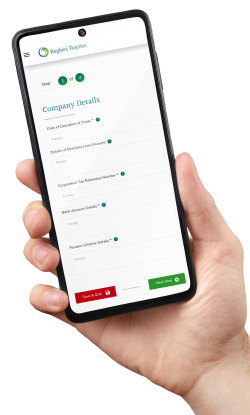
Liquidation Portal For Company Directors
decorative line
Reduce Stress - Lose Creditor Pressure
Clear & Simple Visual Dashboard - Track your Progress
A personal guarantee is a legal commitment, usually from a company director or shareholder, to repay a debt if the business defaults. Providing a personal guarantee gives lenders, landlords and suppliers extra security by allowing them to pursue personal assets, such as savings and property, to recover a debt. A personal guarantee can also be a useful tool for directors, as it helps the company secure borrowing, credit or a lease that it may not otherwise qualify for.
Personal guarantees can be limited to a capped amount or give directors full liability for the outstanding debt. One or more directors can sign a personal guarantee. When multiple directors sign the same guarantee, they usually become jointly and severally liable for the debt. That means the creditor can pursue any director individually for the full amount, or make all the directors liable for the repayment.
Personal guarantees carry serious financial risk, so you should always ensure you understand the terms and implications of the agreement fully before signing.
Worried about your Bounce Back Loan?
If you are a limited company director worried about how you are going to repay your Bounce Back Loan, we are here to help. As licensed insolvency practitioners we can talk you through your options when it comes to repaying your outstanding Bounce Back Loan, as well as handling all negotiations with creditors on your behalf. Call our team today on 0800 063 9262 .
Wrongful trading: what is it and how to avoid it?
Wrongful trading occurs when directors continue to trade an insolvent company and incur further losses when they knew, or should have known, that the business had no reasonable prospect of making a recovery.
When a company is insolvent, it becomes the legal duty of the directors to protect the interests of the creditors and minimise their losses. Usually, the surest way to do that is to cease trading.
However, in some cases, it may be possible to continue trading. For example, completing a contract could increase the return for creditors, or maintaining operations may preserve value in the company. Importantly, this is not a decision you should make yourself. To reduce the risk of personal liability, you should consult an Insolvency Practitioner for guidance.
Steps you can take to reduce the risk of wrongful trading include:
Regularly monitoring cash flow and financial statements
Not incurring unnecessary debts
Meeting regularly with other directors to assess the situation
Carefully minuting meetings to show the reasoning behind your decisions
Seeking professional advice when you suspect the company is insolvent
Can I lose my home if I liquidate my company?
It is possible to lose your home when you liquidate a company, but it’s very unlikely. In the vast majority of cases, if your company enters insolvent liquidation, limited liability means that any unpaid debts die with the company and do not pass to you personally.
However, if you have signed a personal guarantee, provided security over your home for a business debt or are made personally liable for company debts due to wrongful trading or other misconduct, your home could be at risk.
If a creditor or liquidator successfully brings a claim against you that you cannot pay, they may obtain a court judgment. That could lead to bankruptcy, and you may have to sell your interest in your home. That’s why it’s so important to seek expert advice as early as possible.
Frequently Asked Questions (FAQs)
Can I start another company after liquidation?
Yes. In most cases, you can be the director of a new company after an insolvent liquidation. The main restriction is that you cannot use the same or a very similar business name as the liquidated company.
However, there are some exceptions. If you are declared bankrupt or receive a directorship ban, you will not be able to act as a director or an office holder of a new company until the disqualification or bankruptcy period ends.
How long does a conduct investigation take?
That depends on the complexity of the company’s affairs and whether the liquidator identifies any issues that require further investigation. In straightforward cases where the directors have met their legal duties, the investigation can be completed very quickly, often without an interview.
In more complex cases where misconduct is suspected, investigations typically take several months but can last up to a year if detailed financial analysis or multiple interviews are required.
Can I be disqualified as a director if my company goes into liquidation?
You can be disqualified for between 2 and 15 years if your company enters insolvent liquidation and you have acted negligently or unlawfully. Serious breaches, repeated misconduct or fraudulent activity result in the longest bans. However, director disqualifications are rare, and most directors of liquidated companies are free to start a new company.
Are all directors investigated?
Yes, the liquidator must review the conduct of all the company’s directors. That includes current directors as well as those who served in the three years before the company’s insolvency.
The liquidator will also investigate the conduct of non‑executive directors, who don’t run the company’s day‑to‑day operations but still have legal duties and responsibilities, and shadow directors, who aren’t formally appointed but have influence over the board.
What happens if I can’t afford to repay a personal guarantee?
If a lender or supplier calls in a personal guarantee that you cannot repay, you should contact them immediately to discuss your repayment options. It may be possible to negotiate a payment plan, settle the debt for a reduced amount or refinance.
If you do not pay and negotiations fail, the creditor may pursue a legal claim. That could lead to enforcement action and bankruptcy proceedings that put your personal assets at risk.
When should I seek insolvency advice?
You should seek insolvency advice as soon as you suspect your company is insolvent. In practice, if you’re unable to pay your bills on time, relying on credit to survive or facing increasing creditor pressure and threats of legal action, the likelihood is that your company is insolvent. There are two tests you can apply to assess your company’s financial position.
Seeking early advice from an Insolvency Practitioner will help you meet your legal duties and reduce the risk of personal liability.
Jonathan Munnery
Insolvency & Restructuring Expert | 20+ Years Insolvency Experience
Jonathan is a Partner at UK Liquidators and member of both the Insolvency Practitioners Association (MIPA) and The Association of Business Recovery Professionals (MABRP). Jonathan has over 20 years’ experience guiding directors through CVL and MVL processes, helping them understand their options and navigate financial distress with clarity and compassion.
IPA Member MABRP Member IPA Regulated
“ Directors often wait too long before seeking advice. The earlier you call, the more options remain available to you — and the better the outcome for everyone involved. ”
Jonathan is a Partner at UK Liquidators and member of both the Insolvency Practitioners Association (MIPA) and The Association of Business Recovery Professionals (MABRP). Jonathan has over 20 years’ experience guiding directors through CVL and MVL processes, helping them understand their options and navigate financial distress with clarity and compassion.
This site uses cookies to monitor site performance and provide a more responsive and personalised experience. You must agree to our use of certain cookies. For more information on how we use and manage cookies please read our PRIVACY POLICY