Repurchasing assets during or after company liquidation
One of a liquidator’s main aims during company liquidation is to maximise the returns for creditors. This is achieved by selling the business’ assets following a professional valuation, so creditors receive repayments that are as high as possible.
Sometimes directors of the company in liquidation have plans to begin another venture, and need certain assets to start up. Assets such as vehicles, fixtures and fittings, or IT equipment, may be needed, and it’s possible for the directors to purchase these assets from the old company.
Timing when buying back assets in liquidation
Timing is important to consider if you’re thinking of buying back assets from your liquidated company. If you buy assets from the business before a liquidator is appointed, it’s highly likely to be viewed as a transaction that has worsened the position of creditors.
The purchase must be controlled by the liquidator, who will ensure a fair market value has been placed on the assets in question. With creditors’ interests first and foremost, the liquidator must realise the highest returns possible and not sell the assets at undervalue.
So although you can buy back assets during or after your company’s liquidation as long as the transaction is overseen by the office-holder, you shouldn’t purchase any assets of your failing company prior to the liquidator’s appointment.
Stop Creditor Pressure
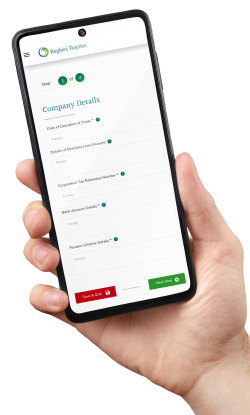
Liquidation Portal For Company Directors
decorative line
Reduce Stress - Lose Creditor Pressure
Clear & Simple Visual Dashboard - Track your Progress
Buying assets in a liquidation sale can be cost-effective, especially when you’re setting up a new business and may have limited funds available. When purchased under the strict rules of insolvency it can help the start up process, and you also have the benefit of practical knowledge of the assets.
Having used them in the old company you know their history, their value to the business, and whether they represent good value for money, which can help with the transition from one company to another.
Concerned about National Living Wage and NI increases?
With the rates of both National Living Wage and employer National Insurance Contributions increasing in recent years, this additional cost of employing staff has added more pressure onto already squeezed cash flows. If you are worried about the impact this is having on your company's finances, talk to the experts at UK Liquidators. As licensed insolvency practitioners we can explain your options and help you plot a way forward. Call today on 0808 253 9878.
The risk of buying back assets before a liquidation
If you purchase an asset of your company after the business enters insolvency but before a liquidator is appointed, and the purchase price is below fair market value, you risk allegations of misconduct.
These transactions are called ‘transactions at undervalue’ and the liquidator can have them reversed, or recover the asset that was purchased. The liquidator will scrutinise the company’s books for transactions of this type for up to two years prior to entering insolvency.
The risk for you and other directors is significant if you buy back assets before a liquidator takes office, rather than during or after a liquidation. If you would like more information on the rules surrounding the buying back of assets in liquidation, please contact one of our expert team.
UK Liquidators are liquidation specialists and can offer professional advice. We offer same-day consultations free-of-charge, and operate through a network of offices throughout the country.
Jonathan Munnery
Insolvency & Restructuring Expert | 20+ Years Insolvency Experience
Jonathan is a Partner at UK Liquidators and member of both the Insolvency Practitioners Association (MIPA) and The Association of Business Recovery Professionals (MABRP). Jonathan has over 20 years’ experience guiding directors through CVL and MVL processes, helping them understand their options and navigate financial distress with clarity and compassion.
IPA Member MABRP Member IPA Regulated
“ Directors often wait too long before seeking advice. The earlier you call, the more options remain available to you — and the better the outcome for everyone involved. ”
Jonathan is a Partner at UK Liquidators and member of both the Insolvency Practitioners Association (MIPA) and The Association of Business Recovery Professionals (MABRP). Jonathan has over 20 years’ experience guiding directors through CVL and MVL processes, helping them understand their options and navigate financial distress with clarity and compassion.
This site uses cookies to monitor site performance and provide a more responsive and personalised experience. You must agree to our use of certain cookies. For more information on how we use and manage cookies please read our PRIVACY POLICY