How to liquidate a business with one or more partners
When a partnership business declines and there’s no prospect of rescuing it, the partners can place it into liquidation. Seeking professional guidance as soon as cash flow problems present themselves is important, however, as at that stage there may be other options available.
On entering liquidation, the business’ assets are realised for the benefit of creditors. The partners may also be at risk of personal bankruptcy, so how is a partnership business liquidated and what are the risks for partners?
What is the process for liquidating a partnership business?
The liquidation of a business partnership is similar in nature to that of a limited company. A licensed insolvency practitioner (IP) must administer the procedure, which is called Creditors’ Voluntary Liquidation, or CVL.
The liquidator realises the partnership assets and carries out an investigation into the partners’ actions leading up to insolvency, to establish whether they contributed to the business’ decline.
Stop Creditor Pressure
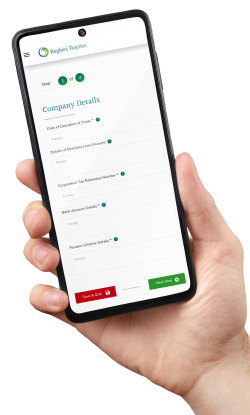
Liquidation Portal For Company Directors
decorative line
Reduce Stress - Lose Creditor Pressure
Clear & Simple Visual Dashboard - Track your Progress
Even though it means the end for the partnership business, CVL does offer important benefits to partners. The voluntary nature of the process can reduce the likelihood of misconduct allegations being made against one or all of them.
A creditor must be owed a debt of £750 or more before they can act to wind up the partnership, and the existence of this debt is proven via an unpaid statutory demand. It’s not advisable for partners to deliberately take this route, however, as by waiting for a winding up petition their creditors may suffer further financial loss.
Concerned about National Living Wage and NI increases?
With the rates of both National Living Wage and employer National Insurance Contributions increasing in recent years, this additional cost of employing staff has added more pressure onto already squeezed cash flows. If you are worried about the impact this is having on your company's finances, talk to the experts at UK Liquidators. As licensed insolvency practitioners we can explain your options and help you plot a way forward. Call today on 0808 253 9878.
What are the risks of liquidation for the partners of the business?
The risks of joint and several liability
If the liquidation sale brings insufficient funds to repay creditors, the partners become personally liable for the remainder, either jointly or severally. This could lead to personal bankruptcy in addition to the loss of their business.
Disqualification and other sanctions
When a liquidator’s investigation uncovers wrongful or illegal conduct, partners become at risk of disqualification for up to 15 years, in addition to incurring fines, and even imprisonment if fraud is found to have taken place.
Insolvency Service investigations
The Official Receiver is appointed as the initial office-holder in cases of compulsory liquidation, and carries out stringent investigations into the partners’ actions. Their investigation includes lengthy interviews with each partner to determine whether misconduct has taken place.
How might a partnership business avoid liquidation?
If the partners act quickly, they may be able to save their business from liquidation. A potential option is a Partnership Voluntary Arrangement (PVA) whereby debts are restructured within a new, formal instalment plan.
This agreement is legally binding and negotiated by licensed professionals to ensure the business can support the new repayments for its full term. Partnership Voluntary Arrangements are based on the same concept as Company Voluntary Arrangements (CVAs) for insolvent limited companies.
As business partners are jointly and severally liable, a Partnership Voluntary Arrangement may run in conjunction with Individual Voluntary Arrangements (IVAs) entered into by the partners individually, or as an ‘interlocking’ arrangement that mirror each other.
Start your online liquidation today
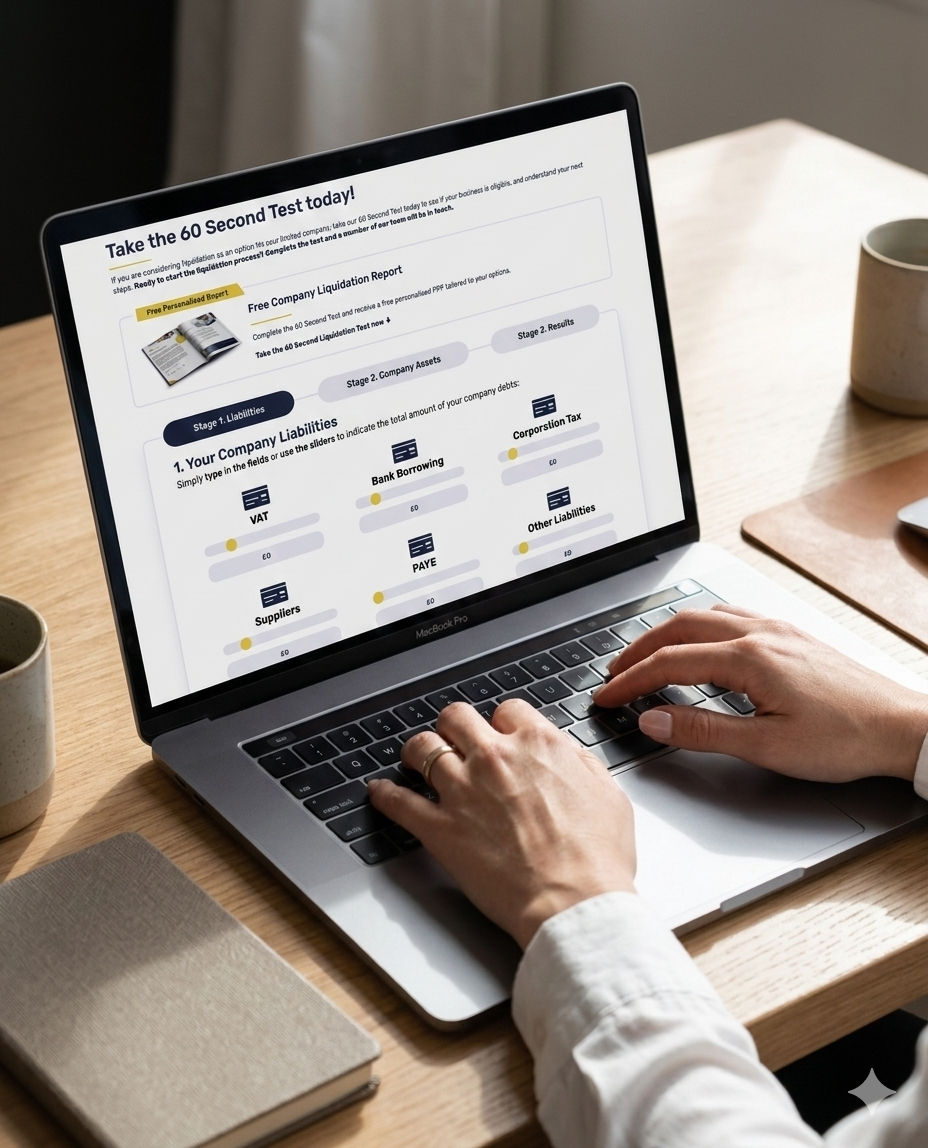
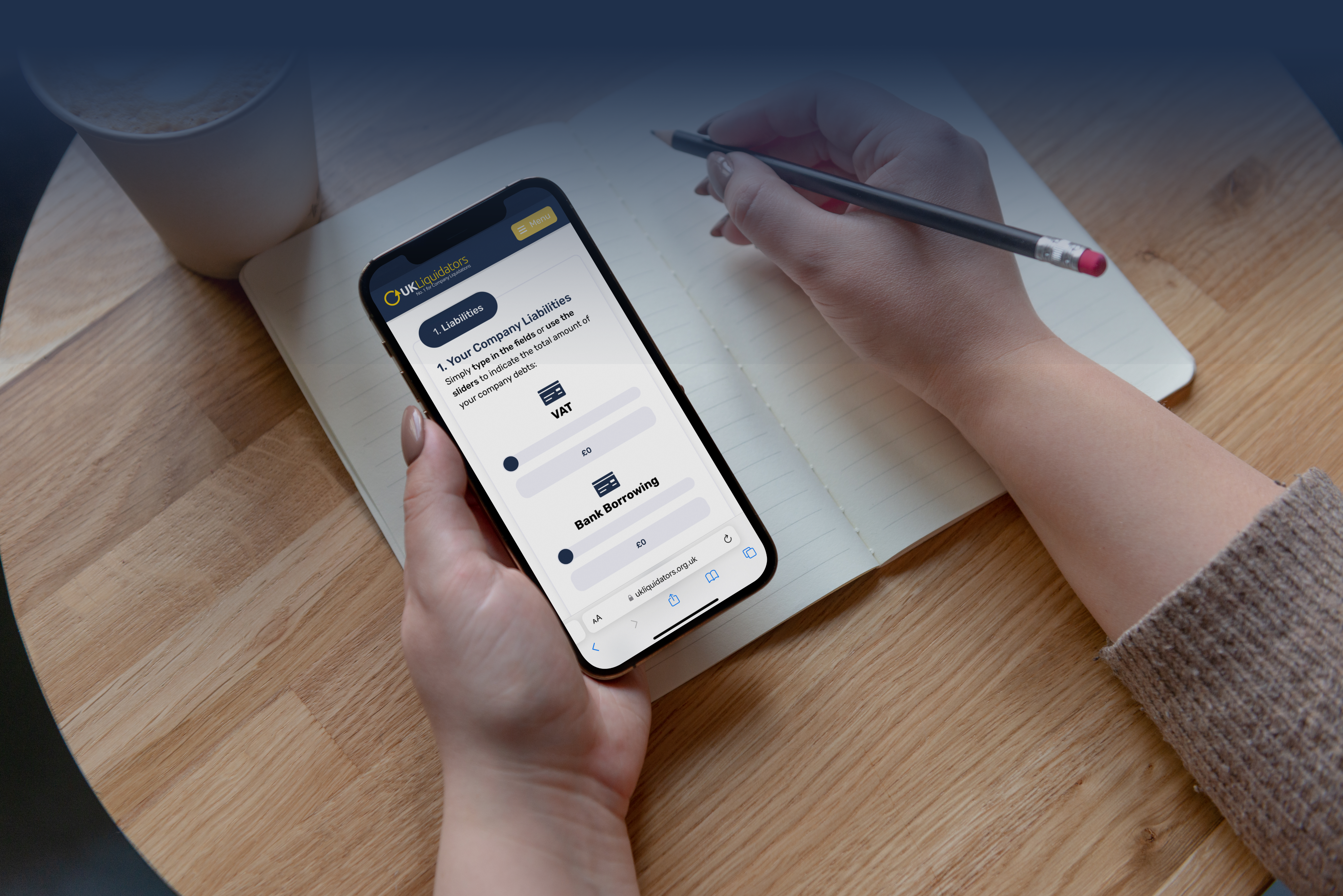
If you have decided liquidation is the right option for your limited company, you can take the first step and begin the process online using our online portal. Starting the process is quick, simple, and can be done at a time that suits you. Your information will be submitted to your local UK Liquidators insolvency practitioner who will be with you every step of the way. Click here to start your company’s liquidation online.
Early professional advice is key
In order to protect the business partners as individuals, as well as the business, professional advice should be sought as soon as possible, and ideally well before the business enters insolvency.
UK Liquidators specialises in partnership business liquidation, and can provide the confidential unbiased advice you need. Please get in touch with our partner-led team to arrange a free, same-day consultation. We operate an extensive network of offices nationwide, so you’re never far away from professional support.
Jonathan Munnery
Insolvency & Restructuring Expert | 20+ Years Insolvency Experience
Jonathan is a Partner at UK Liquidators and member of both the Insolvency Practitioners Association (MIPA) and The Association of Business Recovery Professionals (MABRP). Jonathan has over 20 years’ experience guiding directors through CVL and MVL processes, helping them understand their options and navigate financial distress with clarity and compassion.
IPA Member MABRP Member IPA Regulated
“ Directors often wait too long before seeking advice. The earlier you call, the more options remain available to you — and the better the outcome for everyone involved. ”
Jonathan is a Partner at UK Liquidators and member of both the Insolvency Practitioners Association (MIPA) and The Association of Business Recovery Professionals (MABRP). Jonathan has over 20 years’ experience guiding directors through CVL and MVL processes, helping them understand their options and navigate financial distress with clarity and compassion.
This site uses cookies to monitor site performance and provide a more responsive and personalised experience. You must agree to our use of certain cookies. For more information on how we use and manage cookies please read our PRIVACY POLICY