When a company with debts is liquidated and closes down, any assets are sold to repay creditors as far as possible as well as to cover the professional fees of the insolvency practitioner to administer the liquidation. But what happens to an insolvent company that has no assets to sell? Can you close a company with debts and no assets?
Creditors’ Voluntary Liquidation (CVL) is a formal process used to close down insolvent companies. As this is a formal insolvency procedure it requires the appointment of a licensed insolvency practitioner (IP), which means professional fees become due. This might appear to rule it out as an option considering the business’ financial position, but there may be a way to close your company using CVL even though it has debts and no assets.
What is the process of closing down a company with debts but no assets?
Directors of insolvent companies can voluntarily place their company into liquidation. As part of the process, all trade will cease so creditor losses don’t increase, and a licensed insolvency practitioner is appointed to manage the liquidation from start to finish.
When a company is liquidated, secured creditors can repossess the asset against which their loan was secured against, and if any assets remain they are sold to raise money to cover the liquidator’s fees and other creditors.
Any debts remaining at the end of the process have to be written off, and it’s often the case that unsecured creditors receive little or no return from insolvent liquidation, especially when the company concerned has no assets of any value to sell.
Stop Creditor Pressure
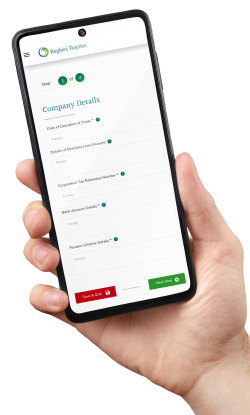
Liquidation Portal For Company Directors
decorative line
Reduce Stress - Lose Creditor Pressure
Clear & Simple Visual Dashboard - Track your Progress
How can you afford to close your insolvent company if there are no assets?
The fact that there are no assets doesn’t mean the liquidation process can’t be followed.
If your personal financial situation allows, you can pay for the liquidation using your own money. While you may be reticent to do this, if your company is insolvent then you have a legal responsibility to act in the best interests of your creditors. In many instances, this involves placing the company into liquidation, shielding creditors from any further losses and maximising their returns. Failure to prioritise creditors during insolvency is a fundamental breach of your legal duties as the director of an insolvent company and could see you being held personally liable for some or all of the debts of your business.
As an addition to your legal responsibility, the sense of freedom and relief many distressed directors feel after the liquidation of their company is complete should not be underestimated.
Concerned about National Living Wage and NI increases?
With the rates of both National Living Wage and employer National Insurance Contributions increasing in recent years, this additional cost of employing staff has added more pressure onto already squeezed cash flows. If you are worried about the impact this is having on your company's finances, talk to the experts at UK Liquidators. As licensed insolvency practitioners we can explain your options and help you plot a way forward. Call today on 0808 253 9878.
What if you don't want to personally pay for the liquidation?
If you’re unwilling to pay the liquidation costs of your company, you may instead decide to wait until a creditor petitions to wind up your company. This would force you into compulsory liquidation, which is never a recommended course of action.
When a company enters compulsory redundancy, the conduct of directors leading up to insolvency is scrutinised by the liquidator for evidence of misconduct or any actions that could have led to the company’s downfall. As stated previously, it is a breach of your legal duties to worsen the position of creditors once you become aware the company is insolvent; failing to take action and instead waiting for your company to be wound up by the courts could be looked on unfavourably particularly if creditor losses increased as a result of your inaction.
If you would like more information about closing a company with debts but no assets to sell, please contact our partner-led team at UK Liquidators. We are liquidation specialists with over 25 years’ experience, and can provide the reliable guidance you need. Operating from offices around the country, we can quickly provide assistance via a free same-day consultation.
Jonathan Munnery
Insolvency & Restructuring Expert | 20+ Years Insolvency Experience
Jonathan is a Partner at Real Business Rescue and member of both the Insolvency Practitioners Association (MIPA) and The Association of Business Recovery Professionals (MABRP). Jonathan has over 20 years’ experience guiding directors through CVL and MVL processes, helping them understand their options and navigate financial distress with clarity and compassion.
IPA Member MABRP Member IPA Regulated
“ Directors often wait too long before seeking advice. The earlier you call, the more options remain available to you — and the better the outcome for everyone involved. ”
Jonathan is a Partner at Real Business Rescue and member of both the Insolvency Practitioners Association (MIPA) and The Association of Business Recovery Professionals (MABRP). Jonathan has over 20 years’ experience guiding directors through CVL and MVL processes, helping them understand their options and navigate financial distress with clarity and compassion.
This site uses cookies to monitor site performance and provide a more responsive and personalised experience. You must agree to our use of certain cookies. For more information on how we use and manage cookies please read our PRIVACY POLICY