Understanding the employer’s National Insurance increase for small businesses
For businesses already struggling to balance the books with rising costs and falling consumer confidence, the recent increase in employer National Insurance Contributions (NICs) may prove to be a step too far.
Understanding the employer National Insurance Contributions changes in 2025
From April 2025, businesses now face a higher rate of NICs when employing staff. First unveiled in the 2024 Budget, the employer National Insurance rate has jumped by 1.2 percentage points going from 13.8% up to 15%. Additionally, the earnings threshold at which contributions begin has dropped significantly, from £9,100 to just £5,000. This means that employers now need to start paying employer NICs when employing anyone who earns over £5,000.
These changes will result in higher employment costs across the board, money which those running limited companies already under pressure, will need to absorb somehow.
For many, these added costs may lead to delayed hiring plans or, in some cases, passing the cost onto customers through price increases, however, these decisions could see them becoming uncompetitive at a time where every sale matters.
Concerned about National Living Wage and NI increases?
With the rates of both National Living Wage and employer National Insurance Contributions increasing in recent years, this additional cost of employing staff has added more pressure onto already squeezed cash flows. If you are worried about the impact this is having on your company's finances, talk to the experts at UK Liquidators. As licensed insolvency practitioners we can explain your options and help you plot a way forward. Call today on 0808 253 9878.
What are my options if my company can’t afford the National Insurance increase?
If your company is already facing financial challenges, the added tax liability could worsen the situation. For businesses with severe cash flow issues or increasing debts, this National Insurance rise could threaten the prospect of insolvency.
If you believe your company is at risk of becoming insolvent – or if you think it may already be insolvent – it is crucial to act swiftly. Seeking advice from a licensed insolvency practitioner at the earliest signs of financial distress can help you understand your options and prevent the problems from getting even worse.
Stop Creditor Pressure
Liquidation Portal For Company Directors
decorative line
Reduce Stress - Lose Creditor Pressure
Clear & Simple Visual Dashboard - Track your Progress
What are my options to deal with rising National Insurance costs?
Although the situation may feel overwhelming, the good news is that there are a number of insolvency procedures that are designed to help businesses struggling to cope with their rising tax and HMRC obligations.
Company Voluntary Arrangement (CVA) – A CVA is a formal repayment plan which allows a viable – yet struggling – business the opportunity to negotiate new payment terms with their creditors, including HMRC.
Unaffordable debts will be written off as part of the process, with remaining liabilities being repaid over an agreed period (typically 3–5 years) through a series of monthly instalments. A CVA will not change the amount of employer’s National Insurance you are obligated to pay, however, a CVA can help improve cash flow which will make meeting these payments to HMRC easier.
Administration – Placing an insolvent company into administration provides time and breathing space from creditors for a way forward to be plotted. This ultimately may involve the sale of the company to a connected or unconnected party, a restructuring of the company’s operations and/or finances, or may in some cases lead to the company being closed if rescue is not a viable option.
What happens if my company needs to close due to rising National Insurance costs?
For some businesses, the National Insurance increase may be the final straw in an already unmanageable financial position. If the company cannot be saved, opting to voluntarily close the business through a Creditors’ Voluntary Liquidation (CVL) may be the most appropriate course of action.
A CVL involves winding up the company, selling its assets, and distributing the proceeds to creditors. Any remaining unsecured debt is written off as part of the process, unless the director has given personal guarantees. Once the liquidation is complete, the company’s name is removed from the Companies House register and ceases to exist.
Start your online liquidation today
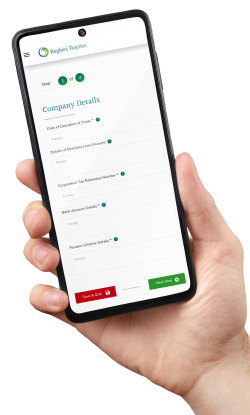
If you have decided liquidation is the right option for your limited company, you can take the first step and begin the process online using our online portal. Starting the process is quick, simple, and can be done at a time that suits you. Your information will be submitted to your local UK Liquidators insolvency practitioner who will be with you every step of the way. Click here to start your company’s liquidation online.
How UK Liquidators can help
If your business is under pressure from the rise in National Insurance Contributions, the expert team at UK Liquidators are here to support you.
Our licensed insolvency practitioners will alongside you to help you understand your situation while explaining the range of business recovery and closure options available. Contact the team today for free immediate help and advice.
Jonathan Munnery
Partner | 20+ Years Insolvency Experience
Jonathan is a Partner at UK Liquidators and member of both the Insolvency Practitioners Association (MIPA) and The Association of Business Recovery Professionals (MABRP). Jonathan has over 20 years’ experience guiding directors through CVL and MVL processes, helping them understand their options and navigate financial distress with clarity and compassion.
IPA Member MABRP Member IPA Regulated
“ Directors often wait too long before seeking advice. The earlier you call, the more options remain available to you — and the better the outcome for everyone involved. ”
Jonathan is a Partner at UK Liquidators and member of both the Insolvency Practitioners Association (MIPA) and The Association of Business Recovery Professionals (MABRP). Jonathan has over 20 years’ experience guiding directors through CVL and MVL processes, helping them understand their options and navigate financial distress with clarity and compassion.
This site uses cookies to monitor site performance and provide a more responsive and personalised experience. You must agree to our use of certain cookies. For more information on how we use and manage cookies please read our PRIVACY POLICY