When a company is insolvent and has no hope of recovering, the process offers advantages to directors and creditors. But there are also some disadvantages to be aware of when entering a CVL.
So let’s look in more detail at the advantages and disadvantages of this process.
It’s relatively unknown that directors can claim redundancy pay on the liquidation of their company in some cases. If a director has worked as an employee for the company for at least two years, received a salary under PAYE, and worked a minimum of 16 hours per week in a practical rather than an advisory role, they may be able to claim the same statutory entitlements as member of staff.
Fulfilling director legal obligations
Under UK insolvency law directors are legally obliged to be aware of their company’s financial position at all times. By entering into voluntary insolvent liquidation they prove that this is the case and can limit creditor losses as well as their own reputational damage.
Stop Creditor Pressure
Liquidation Portal For Company Directors
decorative line
Reduce Stress - Lose Creditor Pressure
Clear & Simple Visual Dashboard - Track your Progress
All unpaid debts are written off at the end of a Creditors’ Voluntary Liquidation, which means creditor pressure stops and directors can typically move on to other ventures without the burden of debt.
Allegations of wrongful trading are reduced
By making the decision to cease trading and place the company into voluntary liquidation, the directors are prioritising their creditors’ interests. This can mean there’s less chance of wrongful trading allegations following the liquidator’s investigation into how the company became insolvent.
The business is closed down efficiently
CVL is a formal process and must be administered by a licensed insolvency practitioner. This means the business is closed down in an orderly manner according to UK insolvency laws, and all statutory regulations are met.
Concerned about National Living Wage and NI increases?
With the rates of both National Living Wage and employer National Insurance Contributions increasing in recent years, this additional cost of employing staff has added more pressure onto already squeezed cash flows. If you are worried about the impact this is having on your company's finances, talk to the experts at UK Liquidators. As licensed insolvency practitioners we can explain your options and help you plot a way forward. Call today on 0808 253 9878.
Disadvantages of a CVL
Closure of company
CVL results in the closure of the company, which is removed from the register at Companies House. It represents an unfortunate end to a business venture for directors, who may have put much time and effort into trying to make it a success.
Staff redundancies
Unfortunately, all staff are made redundant when a company enters Creditors’ Voluntary Liquidation. If the company is unable to make the required redundancy payments, which is often the case with insolvent liquidations, employees can make a claim from the National Insurance Fund (NIF).
Danger of personal guarantees
If directors have provided personal guarantees for any of the company’s borrowing, lenders will expect repayment according to the terms and conditions of the loan. This could place directors’ personal finances at risk - if they can’t pay, lenders will pursue them through the courts.
Start your online liquidation today
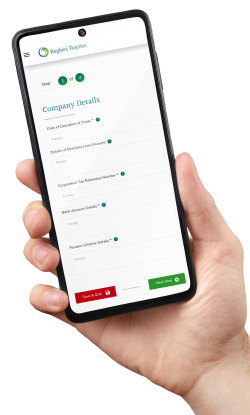
If you have decided liquidation is the right option for your limited company, you can take the first step and begin the process online using our online portal. Starting the process is quick, simple, and can be done at a time that suits you. Your information will be submitted to your local UK Liquidators insolvency practitioner who will be with you every step of the way. Click here to start your company’s liquidation online.
Public process
When a company enters Creditors’ Voluntary Liquidation, a public notice is placed in the Gazette. This can damage a director’s business reputation in some cases, although less so when compared with compulsory liquidation as the directors have placed creditor interests first.
If you would like more information on Creditors’ Voluntary Liquidation, and whether it’s the right procedure for your company, please contact our expert team at UK Liquidators to arrange a free same-day consultation. We’ll ensure you understand the process, including the advantages and disadvantages of a CVL, and work from a broad network of offices nationwide.
Jonathan Munnery
Insolvency & Restructuring Expert | 20+ Years Insolvency Experience
Jonathan is a Partner at Real Business Rescue and member of both the Insolvency Practitioners Association (MIPA) and The Association of Business Recovery Professionals (MABRP). Jonathan has over 20 years’ experience guiding directors through CVL and MVL processes, helping them understand their options and navigate financial distress with clarity and compassion.
IPA Member MABRP Member IPA Regulated
“ Directors often wait too long before seeking advice. The earlier you call, the more options remain available to you — and the better the outcome for everyone involved. ”
Jonathan is a Partner at Real Business Rescue and member of both the Insolvency Practitioners Association (MIPA) and The Association of Business Recovery Professionals (MABRP). Jonathan has over 20 years’ experience guiding directors through CVL and MVL processes, helping them understand their options and navigate financial distress with clarity and compassion.
This site uses cookies to monitor site performance and provide a more responsive and personalised experience. You must agree to our use of certain cookies. For more information on how we use and manage cookies please read our PRIVACY POLICY