We've helped 25,000+ company directorsclose their company with minimum stress — speak to a licensed IP today.
On This Page
Winding-Up Petitions: A Quick Overview
A winding-up petition is the most serious legal action a creditor can take against your company. If you've received one, you need to act fast as once it's advertised in the Gazette, your bank accounts can be frozen, and the situation can escalate out of control extremely quickly. This guide explains why you've received a winding up petition, what happens next, and the steps you can take to protect your position.
A Winding Up Petition is a legal document filed with the courts which has the potential to send a limited company into liquidation due to non-payment of debt. Any creditor you owe more than £750 to can start the petitioning process to wind up your company.
Winding Up Petitions represent the most serious legal action your creditors can use against you and, in the worst case, can lead to your company being forced into liquidation.
There are steps you can take to defend a Winding Up Petition once it has been served against your company, but if you fail to act or don’t pay what you owe within the legal timeframe, the court can issue a Winding Up Order which will begin the process of forcibly closing your business via compulsory liquidation.
An Official Receiver or Insolvency Practitioner will be appointed to liquidate the company by way of a court-ordered Compulsory Liquidation following a winding up order being made.
A Winding Up Petition is not something you can afford to ignore, particularly if you want to save your company from closure. Here we look at what the winding up petition process involves, the steps you can take to stop or adjourn a winding up petition, and what the consequence of ignoring a winding up petition could be.
Why have I received a Winding Up Petition?
You have received a Winding Up Petition because a creditor believes you owe them more than £750 and they have not been able to recover the debt from your company despite various attempts to do so. A winding up petition can be served by any of your company's creditors, such as a trade supplier, the bank, or HMRC chasing unpaid tax bills.
Issuing a Winding Up Petition (WUP) is not something a creditor will do lightly. It is an expensive option for creditors and they will likely only go down this route as a last resort when they have exhausted all other avenues to recover the money they are owed.
It’s often the case that a creditor will issue a Statutory Demand against your company prior to a winding up petition although this is not strictly necessary.
If you receive a statutory demand, you should see this as a major warning sign that your creditor is serious about recovering the money you owe them and you are highly advised to be proactive and open a line of communication with the creditor to see if you can come to a mutually agreeable repayment plan before the situation escalates even further. Be warned that if you ignore the statutory demand, the next step is likely to be a winding up petition.
Stop Creditor Pressure
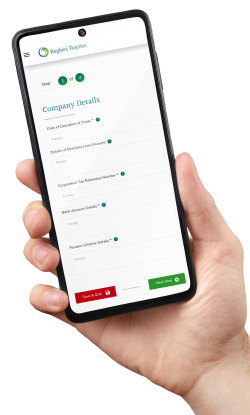
Liquidation Portal For Company Directors
decorative line
Reduce Stress - Lose Creditor Pressure
Clear & Simple Visual Dashboard - Track your Progress
A Winding Up Petition is served at your business’s registered office. It will include a hearing date when the court will convene to determine whether your company should be wound up via compulsory liquidation.
Once you receive the petition, you have seven days to act before it is advertised in the Gazette and subsequently becomes public knowledge. If you do not act in time, your bank and other creditors will become aware of the situation and will seek to protect their interests and prevent further losses. For the bank, that often means freezing your company bank accounts immediately.
At the hearing, if the court believes the company to be insolvent it will be placed into Compulsory Liquidation. Once the court determines your company should be wound up, there are very limited grounds to reverse this decision. That’s why, if you want to save your company, you must act as soon as the Winding Up Petition is issued.
How can I stop a Winding Up Petition?
Once you have received a Winding Up Petition, you have seven days to save your business. Seeking advice from a licensed Insolvency Practitioner is highly advisable at this stage, as they will explain your options and guide you on the most appropriate route to take.
Generally speaking, there are five ways to challenge the winding up petition and prevent your company being placed into Compulsory Liquidation.
1. Pay what you owe
If you pay the debt in full plus the petitioner’s legal costs, the court will dismiss the outstanding winding up petition. If you cannot pay the debt in full, you may be able to reach an informal payment agreement with the petitioning creditor with the agreement that they will retrack the active winding up petition.
2. Dispute the debt
If you believe the debt the creditor is chasing you for either does not exist, or is a different amount than what they are claiming, you can lodge a formal dispute with the court. You should only do this if you have adequate proof to back up your reasons for disputing the debt.
3. Propose a Company Voluntary Arrangement (CVA)
A Company Voluntary Arrangement is a formal insolvency procedure that allows your company to continue trading while repaying its creditors over time. A CVA is only an option for companies that are still viable and can return to profitability.
You must request a ‘stay of proceedings’ to pause the winding up process. That gives you time to appoint an Insolvency Practitioner (IP). The IP will create a realistic payment plan for your creditors, and if 75% of your creditors agree to the proposal, the court will ordinarily dismiss the winding up petition.
4. Enter administration
Another option is to put the company into Administration. This formal insolvency process provides the company with legal protection from the Winding Up Petition while an Insolvency Practitioner is appointed to explore the viability of rescuing the company.
5. Liquidate the company voluntarily
If the company is insolvent and no longer viable, putting it into liquidation yourself via a process called Creditors’ Voluntary Liquidation (CVL) is usually preferable to being wound up by the court. A CVL allows you to choose your own insolvency practitioner and demonstrates a desire from you to take responsibility for the company's financial position by placing it into liquidation voluntarily.
What happens if the court upholds the Winding Up Petition?
If you do not pay what you owe, or otherwise adequately defend the Winding Up Petition, a hearing will be held eight to 10 weeks later to determine whether to put the company into Compulsory Liquidation. This will be done through the issuing of a Winding up Order; once the situation reaches this point it is almost impossible to challenge or cancel a Winding up Order.
Once a Winding Up Order is made, an Official Receiver - the government’s version of an Insolvency Practitioner - will be appointed to administer the liquidation of the company. The Official Receiver will take control of the company and begin to wind down its affairs. It will value and sell company assets and use the proceeds to repay outstanding creditors in a pre-determined order before striking the company off the official register at Companies House.
As part of the Compulsory Liquidation process, the liquidator must also investigate the conduct of the directors during the time leading up to the company becoming insolvent. If the liquidator uncovers examples of director misconduct or wrongful or fraudulent trading, you could be made personally liable for some or all of the company’s debts or be disqualified from acting as a director in the future.
I’ve received a Winding Up Petition - what should I do?
If you receive a winding up petition, the onus is on you to stop it. If you ignore it or do not act quickly enough, there’s very little you can do to prevent the liquidation of your company.
As soon as you’re issued with a winding up petition, you should contact a licensed insolvency practitioner to better understand your options. They will assess your business’s financial position and provide valuable guidance on the best route forward. They will also advise you on the steps you need to take to fulfil your duties as a company director.
How UK Liquidators can help with winding up petitions
At UK Liquidators, we offer free, same-day phone consultations and meetings at our offices throughout the UK so you can take swift action to defend your company. Contact our team for professional support with an ongoing - or threatened - winding up petition process in complete confidence.
Jonathan Munnery
Insolvency & Restructuring Expert | 20+ Years Insolvency Experience
Jonathan is a Partner at UK Liquidators and member of both the Insolvency Practitioners Association (MIPA) and The Association of Business Recovery Professionals (MABRP). Jonathan has over 20 years’ experience guiding directors through CVL and MVL processes, helping them understand their options and navigate financial distress with clarity and compassion.
IPA Member MABRP Member IPA Regulated
“ Directors often wait too long before seeking advice. The earlier you call, the more options remain available to you — and the better the outcome for everyone involved. ”
Jonathan is a Partner at UK Liquidators and member of both the Insolvency Practitioners Association (MIPA) and The Association of Business Recovery Professionals (MABRP). Jonathan has over 20 years’ experience guiding directors through CVL and MVL processes, helping them understand their options and navigate financial distress with clarity and compassion.
This site uses cookies to monitor site performance and provide a more responsive and personalised experience. You must agree to our use of certain cookies. For more information on how we use and manage cookies please read our PRIVACY POLICY