What is the order of payment priority during company liquidation?
Individuals and businesses owed money by a company are known as creditors. As part of an insolvent liquidation process, the assets belonging to the insolvent company will be sold with the proceeds generated being used to repay outstanding creditors as far as possible.
As lack of cash is a fundamental element of a company having to enter into insolvent liquidation proceedings, unfortunately this can mean that some creditors won’t receive any of their money back even when all the company’s assets have been sold.
In an insolvent liquidation, creditors are grouped into 'classes' which determine their position in the payment ‘hierarchy.’ This is a statutory order of priority set out in the Insolvency Act, 1986, and the liquidator is obliged to make repayments in this order.
So what are the different classes of creditor, and which group is paid first in an insolvent liquidation process?
Concerned about National Living Wage and NI increases?
With the rates of both National Living Wage and employer National Insurance Contributions increasing in recent years, this additional cost of employing staff has added more pressure onto already squeezed cash flows. If you are worried about the impact this is having on your company's finances, talk to the experts at UK Liquidators. As licensed insolvency practitioners we can explain your options and help you plot a way forward. Call today on 0808 253 9878.
Creditor classes for repayment in liquidation
Initially, the fees of the liquidation process owed to the insolvency practitioner must be paid. There are then three broad creditor groups:
Secured creditors (divided into fixed charge holders and floating charge holders)
Preferential creditors
Unsecured creditors
Each group must be paid in full before the liquidator can start to repay the next.
Secured creditors with a fixed charge
These are generally banks and other asset based lenders that hold a fixed charge over a specific company asset – this could be a vehicle, property, or land. The lender is entitled to recover possession of the asset on the company's entry into liquidation. Fixed charges must be registered with Companies House.
Stop Creditor Pressure
Liquidation Portal For Company Directors
decorative line
Reduce Stress - Lose Creditor Pressure
Clear & Simple Visual Dashboard - Track your Progress
Preferential creditors include employees with outstanding wages and holiday pay. Some employee payments in liquidation aren’t regarded as preferential, including notice pay and redundancy claims - claims for these payments are regarded as unsecured.
HMRC are classed as secondary preferential creditors for some tax debts including VAT, PAYE, and NICs.
Secured creditors with a floating charge
Creditors holding a floating charge over company assets are next in line. Floating charges are held over an asset class which is liable to change in value and quantity as the company does business. Floating charges could include stock, work in progress, and raw materials. Floating charges are also registered with Companies House by the lender - when a company enters liquidation the floating charge ‘crystallises’ to become a fixed charge.
A proportion of the proceeds of assets available for floating charge holders is also set aside for unsecured creditors. This is known as the ‘prescribed part’ and is intended to boost the chances of unsecured creditors receiving a return, however small.
Unsecured creditors
Unsecured creditors include suppliers, customers, contractors, and clients of the insolvent company, who must make a claim for repayment of their debt. HMRC are also classed as unsecured creditors for certain debts including Corporation Tax arrears. As we’ve mentioned, it’s common for this group of creditors to receive no dividend at all from the liquidation process as they fall at the end of the payment hierarchy.
Start your online liquidation today
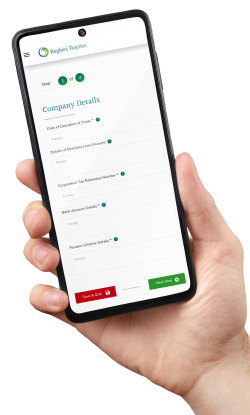
If you have decided liquidation is the right option for your limited company, you can take the first step and begin the process online using our online portal. Starting the process is quick, simple, and can be done at a time that suits you. Your information will be submitted to your local UK Liquidators insolvency practitioner who will be with you every step of the way. Click here to start your company’s liquidation online.
Unsecured creditors with a connection to the company
Sometimes family members, friends, and other individuals with a personal connection to the liquidated company are owed money by the business, but this group are only repaid when other unsecured creditors have been paid in full.
Shareholders
Company shareholders are placed at the bottom of the priority list in liquidation, and do not receive a return in insolvent liquidations.
Insolvency & Restructuring Expert | 20+ Years Insolvency Experience
Jonathan is a Partner at UK Liquidators and member of both the Insolvency Practitioners Association (MIPA) and The Association of Business Recovery Professionals (MABRP). Jonathan has over 20 years’ experience guiding directors through CVL and MVL processes, helping them understand their options and navigate financial distress with clarity and compassion.
IPA Member MABRP Member IPA Regulated
“ Directors often wait too long before seeking advice. The earlier you call, the more options remain available to you — and the better the outcome for everyone involved. ”
Jonathan is a Partner at UK Liquidators and member of both the Insolvency Practitioners Association (MIPA) and The Association of Business Recovery Professionals (MABRP). Jonathan has over 20 years’ experience guiding directors through CVL and MVL processes, helping them understand their options and navigate financial distress with clarity and compassion.
This site uses cookies to monitor site performance and provide a more responsive and personalised experience. You must agree to our use of certain cookies. For more information on how we use and manage cookies please read our PRIVACY POLICY