Find out what happens during a moratorium and how it can be beneficial
A moratorium in insolvency is a ringfence around a company that freezes ongoing legal action and prevents your creditors from beginning new proceedings against you. That gives struggling businesses some much-needed breathing space so they can explore their rescue or restructuring options.
So, except in certain circumstances, creditors cannot commence or continue legal proceedings against a company during the moratorium. Importantly, however, creditors still retain their rights to claim the money you owe them. Those rights are merely ‘stayed’ (paused) while the moratorium is in place.
What are the different types of moratoriums in insolvency proceedings?
The are three types of moratoriums that can provide a legal ringfence around struggling companies.
Moratorium in Administration
If your company enters Administration, it benefits from two moratoriums. The first moratorium, the interim moratorium, is granted when you file a notice in court to appoint an administrator. That protects you for the first 10 business days. Once you have appointed an administrator, a second moratorium, the permanent moratorium, begins and protects the company against creditor legal action until it exits Administration.
Without a moratorium, Company Administration would not be an effective rescue procedure as the administrator would not have the time and space they need to put a restructuring plan in place. Creditors would be able to take legal action to recover their debts and even force the company into Liquidation. By preventing this action, the moratorium prioritises the return for the creditor group as a whole rather than just those creditors that are taking legal action.
Moratorium in a Company Voluntary Arrangement
A Company Voluntary Arrangement (CVA) is a formal insolvency procedure that allows you to repay your creditors via monthly instalments over a period of up to five years. Unlike Company Administration, a CVA does not automatically lead to a moratorium. However, smaller companies can apply for a moratorium while they consider whether a CVA could be the right option.
If your application is successful, the moratorium will be in place for 28 days and prevent company creditors from bringing legal proceedings or other action against the company. That gives the directors the opportunity to work with an insolvency practitioner to create a CVA proposal. All your creditors will be bound by the terms of the agreement if 75% (by value of debt) accept your proposal.
Standalone moratorium
The standalone moratorium, also known as the pre-insolvency moratorium, was introduced in 2020 and lasts for an initial 20 business days, although you can extend it. As a company director, you continue to control the day-to-day running of the company under the supervision of a licensed insolvency practitioner, who acts as the ‘monitor’. They will ensure that the moratorium is likely to lead to the company’s rescue as a going concern.
Importantly, standalone moratoriums are only available to directors who feel their companies will soon become insolvent but are ultimately viable and can be rescued. The moratorium allows you to reach an agreement with your creditors to restructure your debts without having to worry about additional costs or legal action.
Stop Creditor Pressure
Liquidation Portal For Company Directors
decorative line
Reduce Stress - Lose Creditor Pressure
Clear & Simple Visual Dashboard - Track your Progress
A moratorium pauses ongoing legal action that your creditors are taking against you and prevents them from commencing new proceedings. You should note that the protection the moratorium provides is temporary and you should not see it as a permanent solution against those threats.
The protection you’ll receive from a moratorium includes:
Creditors cannot take action to secure or repossess goods you have on hire purchase agreements.
Creditors cannot enforce security over company assets.
Landlords cannot commence Commercial Rent Arrears Recovery or forfeiture.
Bailiff enforcement or High Court action for pre-moratorium debts cannot begin or continue.
Creditors can not issue a Winding Up Petition or commence or continue any other insolvency procedure against the company.
Creditors cannot take any other legal action against the company or its assets.
Importantly, the moratorium does not prevent third parties from exercising their contractual rights. For example, a creditor could still terminate a contract with the company after it has entered Administration.
Concerned about National Living Wage and NI increases?
With the rates of both National Living Wage and employer National Insurance Contributions increasing in recent years, this additional cost of employing staff has added more pressure onto already squeezed cash flows. If you are worried about the impact this is having on your company's finances, talk to the experts at UK Liquidators. As licensed insolvency practitioners we can explain your options and help you plot a way forward. Call today on 0808 253 9878.
What is the purpose of a moratorium?
A moratorium is not a get-out-of-jail-free card. It is a temporary measure that allows you to sort out your company’s issues away from the threat of creditor legal action. The procedure you’re using must serve a purpose and cannot simply be a way of hiding from your creditors or delaying the inevitable.
The overarching principle of the moratorium is to prevent one creditor from having priority over the others. In insolvency, you should act in the best interests of your creditors as a whole. The moratorium prevents those that are taking legal action from benefiting more than your other creditors.
Start your online liquidation today
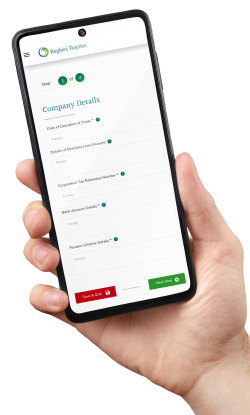
If you have decided liquidation is the right option for your limited company, you can take the first step and begin the process online using our online portal. Starting the process is quick, simple, and can be done at a time that suits you. Your information will be submitted to your local UK Liquidators insolvency practitioner who will be with you every step of the way. Click here to start your company’s liquidation online.
Get professional advice and support
If your company is struggling with unmanageable debts, a standalone moratorium or moratorium as part of an insolvency procedure can give you the breathing space to consider your options. Get in touch with our team of licensed insolvency practitioners for a free consultation or arrange a meeting at one of our 100+ offices throughout the UK. We will discuss your options and guide you on the best route forward.
Jonathan Munnery
Insolvency & Restructuring Expert | 20+ Years Insolvency Experience
Jonathan is a Partner at Real Business Rescue and member of both the Insolvency Practitioners Association (MIPA) and The Association of Business Recovery Professionals (MABRP). Jonathan has over 20 years’ experience guiding directors through CVL and MVL processes, helping them understand their options and navigate financial distress with clarity and compassion.
IPA Member MABRP Member IPA Regulated
“ Directors often wait too long before seeking advice. The earlier you call, the more options remain available to you — and the better the outcome for everyone involved. ”
Jonathan is a Partner at Real Business Rescue and member of both the Insolvency Practitioners Association (MIPA) and The Association of Business Recovery Professionals (MABRP). Jonathan has over 20 years’ experience guiding directors through CVL and MVL processes, helping them understand their options and navigate financial distress with clarity and compassion.
This site uses cookies to monitor site performance and provide a more responsive and personalised experience. You must agree to our use of certain cookies. For more information on how we use and manage cookies please read our PRIVACY POLICY