If you’re ready to retire or move on to other projects and are sure you won’t need the limited company again, it makes sense to close it down. If the limited company is solvent (can pay all its debts), there are two company closure routes: voluntary dissolution or a solvent liquidation via a Members’ Voluntary Liquidation. Here we’ll guide you through each procedure so you know what to expect.
Voluntary Dissolution - inexpensive and informal
The cheapest way to close a solvent company is via Voluntary Dissolution or Strike Off. In this process, you can apply to strike the business off the official register at Companies House and it will cease to exist. Voluntary Dissolution is an effective way to close a company that’s relatively straightforward and has a low value of retained profits.
If the company has assets and retained profits worth more than £25,000 after it has paid all its liabilities, placing it into a solvent liquidation process via a Members’ Voluntary Liquidation is likely to be a more tax-efficient closure method.
To be eligible for voluntary dissolution, your company must not:
have traded, sold stock or changed its name in the last three months;
be threatened with liquidation by a creditor;
have any outstanding creditor agreements (such as a Company Voluntary Arrangement).
Stop Creditor Pressure
Liquidation Portal For Company Directors
decorative line
Reduce Stress - Lose Creditor Pressure
Clear & Simple Visual Dashboard - Track your Progress
How do I close my company via Voluntary Dissolution?
Strike Off is a process you can complete yourself by filling in and submitting form DS01 online or by posting the form to Companies House along with the filing fee. Before you apply, there are several steps you must take to prepare the business for the dissolution process.
Inform all interested parties (creditors, staff, shareholders and HMRC) of your intention to dissolve the company.
Pay your employees their final wages and treat them according to redundancy procedures.
Sell or transfer company assets and use the proceeds to repay any outstanding creditors. You can then pay the remaining funds to the shareholders.
Inform HMRC that you no longer employ staff, use PAYE or make National Insurance contributions.
Send final statutory accounts and a company tax return to HMRC and pay all Corporation Tax and any other outstanding tax due.
Once you’ve done that, you can then submit your striking off application. It will be published in the Gazette, and as long as no one objects, the company will be removed from the register after two months and will cease to exist.
Concerned about National Living Wage and NI increases?
With the rates of both National Living Wage and employer National Insurance Contributions increasing in recent years, this additional cost of employing staff has added more pressure onto already squeezed cash flows. If you are worried about the impact this is having on your company's finances, talk to the experts at UK Liquidators. As licensed insolvency practitioners we can explain your options and help you plot a way forward. Call today on 0808 253 9878.
Solvent liquidation via a Members’ Voluntary Liquidation
Members’ Voluntary Liquidation (MVL) is a solvent liquidation process which might be a more appropriate way to close your limited company if it has significant retained profits or high-value assets to distribute to the shareholders.
The key difference between a solvent liquidation and voluntary strike off is that funds distributed to shareholders via an MVL are subject to Capital Gains Tax rather than income tax. In the right circumstances, solvent liquidation can lead to a lower tax bill, particularly if you are eligible for Business Asset Disposal Relief.
As solvent liquidation is a formal procedure, you must appoint a licensed insolvency practitioner to administer the MVL. You’ll also have to pay their fee. Overall, that makes a company with retained profits of around £25,000 or more a good candidate for a Members’ Voluntary Liquidation.
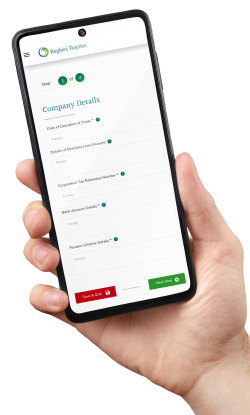
Start your online liquidation today
If you have decided liquidation is the right option for your limited company, you can take the first step and begin the process online using our online portal. Starting the process is quick, simple, and can be done at a time that suits you. Your information will be submitted to your local UK Liquidators insolvency practitioner who will be with you every step of the way. Click here to start your company’s liquidation online.
How do I liquidate my solvent company via Members’ Voluntary Liquidation?
The first step in the solvent liquidation process is to contact a licensed insolvency practitioner. If they agree that a Members’ Voluntary Liquidation represents the best way forward, you will need to pass a special resolution. That requires 75% of the company’s shareholders (by the value of their shares) to agree to the liquidation. All directors must also sign a Declaration of Solvency, which confirms that the company can repay all its debts.
Acting as the liquidator, the insolvency practitioner will assess and sell the company’s assets. They’ll also invite claims from the company’s creditors and ensure all the liabilities are paid. They’ll then distribute the remaining funds among the shareholders before removing the company from the Companies House register. From that point, the company will cease to exist.
From beginning to end, a Members’ Voluntary Liquidation typically takes from six months to a year depending on the complexity of the case.
Voluntary Dissolution vs. Members’ Voluntary Liquidation: Which should I choose?
There are a couple of factors to consider when finding the most suitable way to close your solvent company.
The financial cost
Voluntary Dissolution is significantly cheaper than a Members' Voluntary Liquidation. Therefore, if your company has few assets or retained profits, dissolution is likely to be the best option.
If your assets and retained profits are worth £25,000 or more, the tax savings from a solvent liquidation will typically make it more cost-effective than Strike Off, even when you factor in the liquidator’s fee.
The risks
There are some risks associated with the Voluntary Dissolution process, which arise from the fact that you manage the process yourself. You must settle all the outstanding liabilities and distribute the funds lawfully. You must also inform all relevant parties and treat all employees properly.
The fact that a liquidator handles the Members’ Voluntary Liquidation process reduces the risks significantly and should ensure your legal obligations are met. There are some personal risks, for example, if you intentionally or accidentally hide a debt from the liquidator during the MVL process then you could face repercussions. However, generally speaking, the risks associated with solvent liquidation are less than with strike off.
I want to close my solvent company
If you’re ready to close a solvent company, contacting our team of insolvency practitioners will ensure you choose the right closure method and avoid potentially costly mistakes. Contact our team for a free, same-day consultation or alternatively arrange a meeting at one of our nationwide 100+ local offices.
Jonathan Munnery
Insolvency & Restructuring Expert | 20+ Years Insolvency Experience
Jonathan is a Partner at UK Liquidators and member of both the Insolvency Practitioners Association (MIPA) and The Association of Business Recovery Professionals (MABRP). Jonathan has over 20 years’ experience guiding directors through CVL and MVL processes, helping them understand their options and navigate financial distress with clarity and compassion.
IPA Member MABRP Member IPA Regulated
“ Directors often wait too long before seeking advice. The earlier you call, the more options remain available to you — and the better the outcome for everyone involved. ”
Jonathan is a Partner at UK Liquidators and member of both the Insolvency Practitioners Association (MIPA) and The Association of Business Recovery Professionals (MABRP). Jonathan has over 20 years’ experience guiding directors through CVL and MVL processes, helping them understand their options and navigate financial distress with clarity and compassion.
This site uses cookies to monitor site performance and provide a more responsive and personalised experience. You must agree to our use of certain cookies. For more information on how we use and manage cookies please read our PRIVACY POLICY