The Bounce Back Loan Scheme (BBLS) enabled businesses of all sizes to access emergency finance of up to £50,000 if they were adversely affected by coronavirus. The government’s 100% guarantee was also instrumental in encouraging lenders to sanction this funding.
Given the widespread economic impact of the pandemic, the Bounce Back Loan Scheme was widely used and allowed many businesses to continue trading during challenging and unprecedented times.
Guidance on how the monies could be utilised was limited, however, and this has led to concern amongst company directors that they may have inadvertently misapplied or misused their coronavirus funding.
What might be regarded as misuse of a Bounce Back Loan?
The government stated that Bounce Back Loan finance must be used for the ‘economic benefit of the business.’ This is a broad term that could be misinterpreted, so if you’re worried that you’ve used the funds incorrectly, what could misuse involve?
Misuse might include, but not be limited to, one or more of the following:
Using the funds to purchase new personal assets
Transferring the lump sum to a personal bank account
Giving the money to a third party, such as a family member or friend
Funding a significant increase in directors’ salaries or dividends
A key issue with regard to the consequences of misusing BBL funds, however, is whether or not your business can repay the loan. If the business is now enjoying good financial health, how a Bounce Back Loan was used might not become apparent. An issue can arise, however, if your company falls behind with repayments.
Stop Creditor Pressure
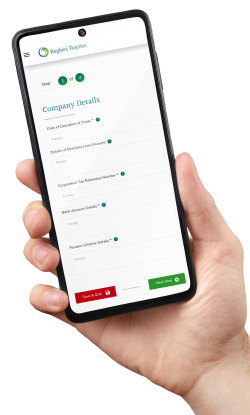
Liquidation Portal For Company Directors
decorative line
Reduce Stress - Lose Creditor Pressure
Clear & Simple Visual Dashboard - Track your Progress
Financial distress and the misuse of Bounce Back Loans
The pandemic continues to cause financial problems for businesses, as government support is gradually withdrawn and loan repayments become due in full, along with tax and payroll liabilities.
So what can you do if your business cannot repay its Bounce Back Loan? In acknowledgement of the severe difficulty businesses are facing, the Chancellor has extended the repayment term for Bounce Back Loans to 10 years under the Pay As You Grow (PAYG) scheme.
Making interest-only payments for six months, and the ability to take a six-month payment holiday, are also options under PAYG. If you believe you may have misused your BBL funds, this could offer a way for your business to keep up with the repayments.
Other options include seeking alternative finance that’s tailored to your business, such as factoring and invoice discounting, but what if the company closes down with a Bounce Back Loan outstanding?
Concerned about National Living Wage and NI increases?
With the rates of both National Living Wage and employer National Insurance Contributions increasing in recent years, this additional cost of employing staff has added more pressure onto already squeezed cash flows. If you are worried about the impact this is having on your company's finances, talk to the experts at UK Liquidators. As licensed insolvency practitioners we can explain your options and help you plot a way forward. Call today on 0808 253 9878.
Company liquidation and Bounce Back Loans
When a company is liquidated the office-holder must investigate the reasons behind the business’ failure, checking for issues such as negligence and fraud. Company affairs will be scrutinised, and the liquidator can go as far back as necessary if they suspect fraudulent activity.
If you’re worried that you might have misused your Bounce Back Loan and your company is on the verge of liquidation, please get in touch with our team of experts at UK Liquidators. We’ll provide reliable advice on whether misuse has occurred, and how you should proceed.
So what happens if your business enters insolvency and there’s no chance of rescue? Seeking professional assistance from a licensed insolvency practitioner as soon as possible is paramount, and can provide more options for you and your business.
Start your online liquidation today
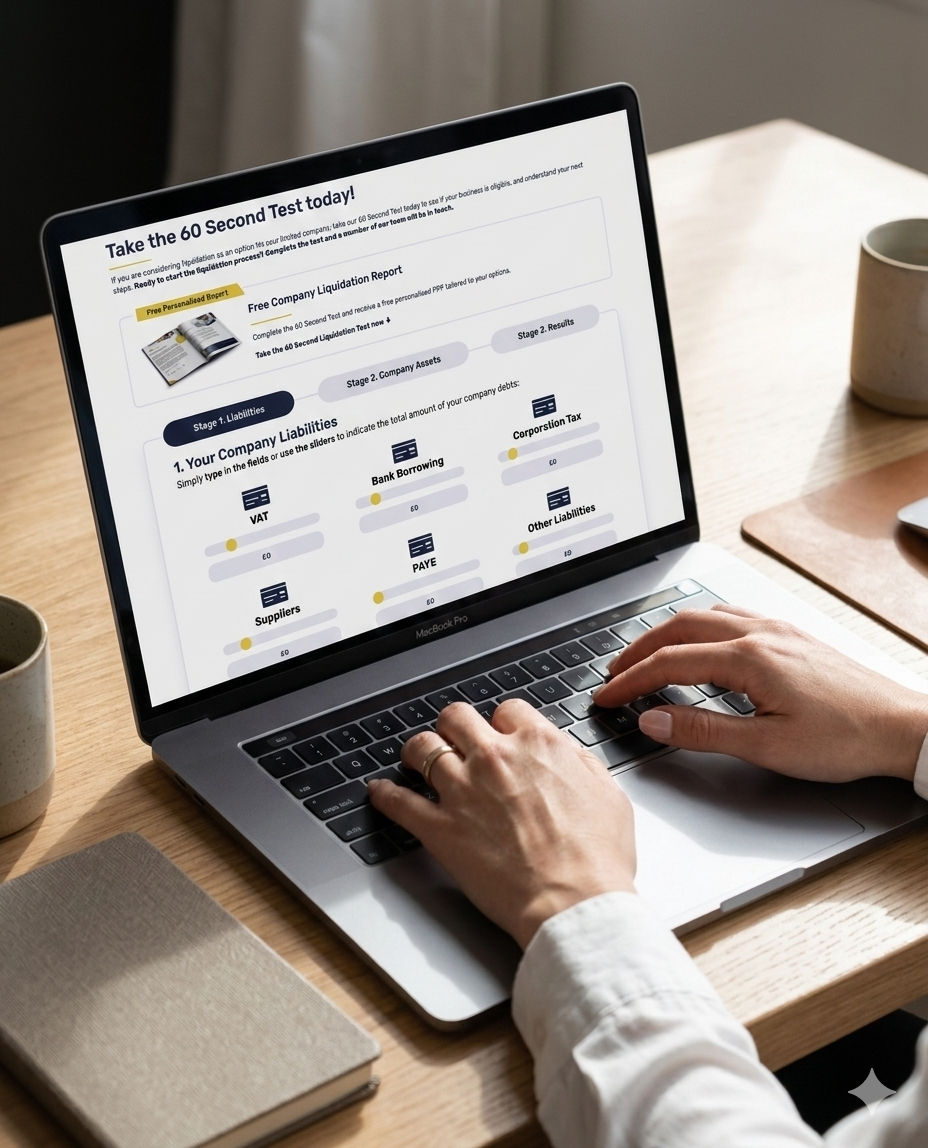
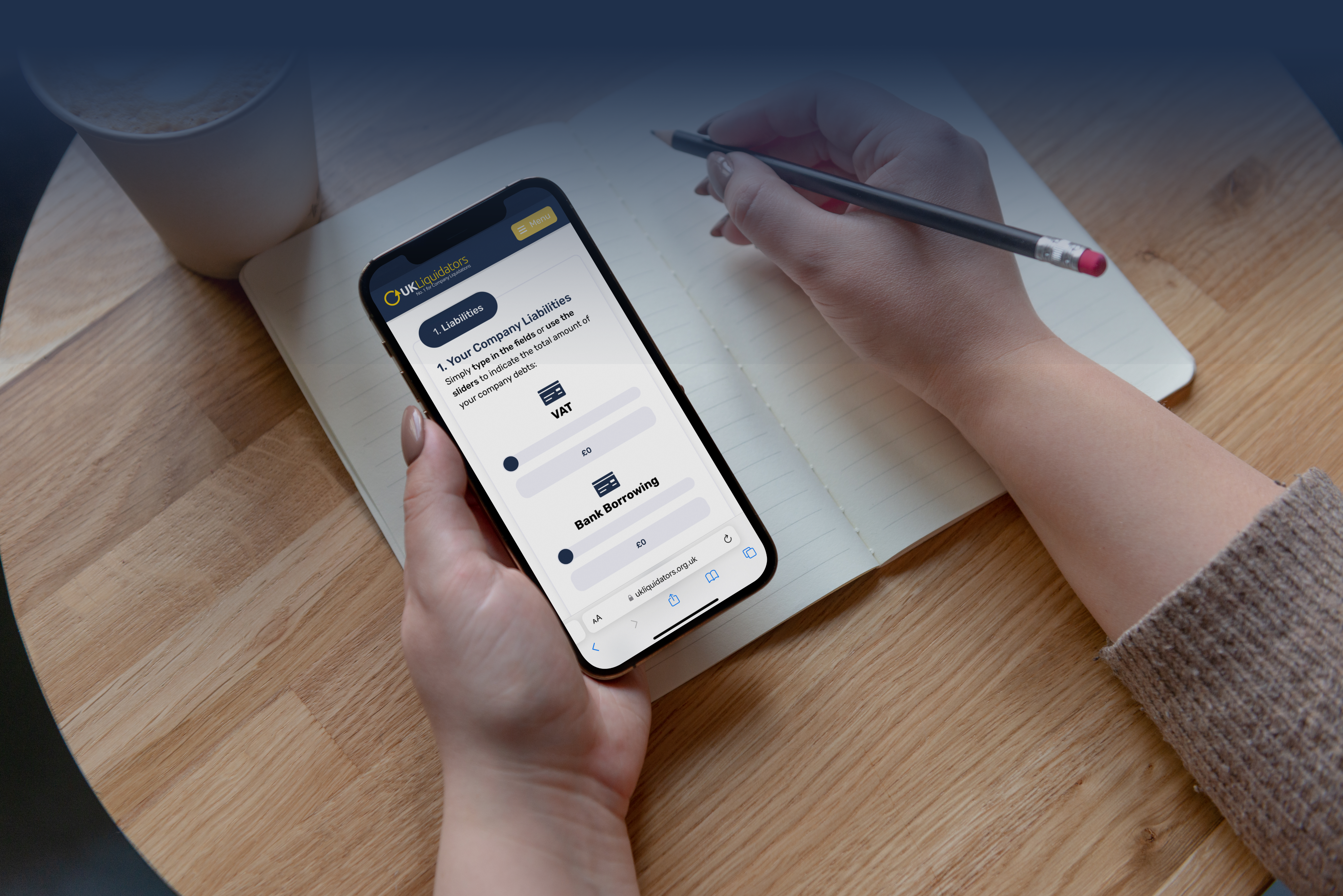
If you have decided liquidation is the right option for your limited company, you can take the first step and begin the process online using our online portal. Starting the process is quick, simple, and can be done at a time that suits you. Your information will be submitted to your local UK Liquidators insolvency practitioner who will be with you every step of the way. Click here to start your company’s liquidation online.
The importance of entering liquidation voluntarily
Creditors’ Voluntary Liquidation, or CVL, is a formal process that places your creditors’ interests first, which is vital if you may have misapplied or misused coronavirus funding. If you wait for a creditor to issue a winding up petition, you’re essentially increasing their losses and failing in your legal duties as a director.
The liquidator will still investigate the company’s decline following a CVL, and the potential misuse of funding, but taking the initiative and voluntarily placing the company into liquidation is an important factor in your favour.
For more information on the misuse of Bounce Back Loan funding, and trustworthy advice on how to proceed, please call our partner-led team at UK Liquidators. We can offer you a free, same-day consultation to quickly assess your situation as regards BBL funding, and operate an extensive network of offices throughout the UK.
Jonathan Munnery
Insolvency & Restructuring Expert | 20+ Years Insolvency Experience
Jonathan is a Partner at UK Liquidators and member of both the Insolvency Practitioners Association (MIPA) and The Association of Business Recovery Professionals (MABRP). Jonathan has over 20 years’ experience guiding directors through CVL and MVL processes, helping them understand their options and navigate financial distress with clarity and compassion.
IPA Member MABRP Member IPA Regulated
“ Directors often wait too long before seeking advice. The earlier you call, the more options remain available to you — and the better the outcome for everyone involved. ”
Jonathan is a Partner at UK Liquidators and member of both the Insolvency Practitioners Association (MIPA) and The Association of Business Recovery Professionals (MABRP). Jonathan has over 20 years’ experience guiding directors through CVL and MVL processes, helping them understand their options and navigate financial distress with clarity and compassion.
This site uses cookies to monitor site performance and provide a more responsive and personalised experience. You must agree to our use of certain cookies. For more information on how we use and manage cookies please read our PRIVACY POLICY