Can I dissolve my limited company and how does it work?
Dissolving a limited company is the simplest and cheapest way to close down a business which is no longer wanted or needed.
This process, known as Company Dissolution or Strike Off, is one you can complete yourself. You need to cease trading, submit form DS01 to Companies House (as well as sending a copy to any interested parties), and assuming all the details are correct, the business will be struck off the Companies House register.
Although this is a straightforward process for some, dissolving a company is not an option suitable for every business, particularly those which have outstanding debts they are unable to repay.
In order to strike off a company, there are certain eligibility criteria the company must meet and things you must do, such as repaying your creditors, to prepare the business for dissolution.
What is company dissolution?
Dissolution is a process to permanently close a limited company that does not have debts (i.e. it’s solvent). If the company has debts, you must repay all your creditors before you can strike the company off. If you can’t afford to do that, you’ll have to close it down using a formal insolvent liquidation process.
There are many reasons why you might choose to dissolve your limited company. You might want to retire and have no one to carry the company on or the business might have run its course and you’re ready for something new.
Unlike the other methods of voluntarily closing a business, there are no liquidator fees to worry about. The only charge is a £33 fee when completing the process online.
Stop Creditor Pressure
Liquidation Portal For Company Directors
decorative line
Reduce Stress - Lose Creditor Pressure
Clear & Simple Visual Dashboard - Track your Progress
Your company must meet certain criteria in order to be eligible for the strike-off process. As we’ve already said, it must be solvent and able to repay its debts in full. It must also not have:
Traded in the last three months
Changed its name in the last three months
Any ongoing legal proceedings against it
An ongoing formal repayment arrangement, such as a Company Voluntary Arrangement (CVA)
If the company is eligible and you have the agreement of the other directors (if there are any), you can send the completed DS01 form to Companies House to dissolve your company online.
Concerned about National Living Wage and NI increases?
With the rates of both National Living Wage and employer National Insurance Contributions increasing in recent years, this additional cost of employing staff has added more pressure onto already squeezed cash flows. If you are worried about the impact this is having on your company's finances, talk to the experts at UK Liquidators. As licensed insolvency practitioners we can explain your options and help you plot a way forward. Call today on 0808 253 9878.
How do I dissolve a limited company?
The process for dissolving a limited company starts before you submit the relevant forms to Companies House as there are things you must do to prepare your company for the process.
Cease trading
Complete all work, collect the money you’re owed and cease all business activities. You cannot dissolve a company if you have traded or sold stock at any time in the last three months.
Inform relevant parties
Inform all company stakeholders of your decision to close the company, including employees, shareholders, clients and any creditors. This should be done by sending them a copy of the DS01 form.
Liquidate the company’s assets
This is a crucial step as the ownership of any assets you do not sell or transfer before dissolving the company passes to the crown.
Repay company debts
Use cash reserves or the proceeds from the sale of assets to repay the company’s creditors (if it has any). If you try to dissolve the company with debts, your creditors can object to the dissolution application and the process will cease. If you cannot afford to pay the company’s debts, you can close it using a Creditors’ Voluntary Liquidation (CVL).
Pay employees
Pay employees their final wages and follow the rules around redundancy pay.
File your company tax return
File your final statutory accounts with HMRC and state that they are your final accounts due to the dissolution of the company. You should also file a company tax return with HMRC and pay what you owe, de-register for VAT and close the company’s payroll scheme.
End contracts and close company bank accounts
The final step is to end any ongoing contracts, such as utilities, and close the company’s bank account.
Apply for strike-off
You can now follow the online procedure to dissolve the company. You must inform all interested parties, including employees, shareholders and creditors, within seven days of submitting the application.
The company will be dissolved
A notice will be advertised in the Gazette announcing your decision to dissolve the company. At that point, any outstanding creditors will have the chance to object. If no one objects, the company will be dissolved two months after the first notice was advertised. A second notice will be published in the Gazette confirming the company has been struck off.
How long does it take to dissolve a company?
After you submit the application to Companies House, it will be advertised in the Gazette. From that point, it’ll be at least two months until the company is struck off.
Can I dissolve a company with debts?
No. The company dissolution process is for solvent companies that can pay all their debts before they close.
If you try to dissolve a company with debts, your creditors can submit an objection which will bring the process to a standstill.
Even if you do manage to dissolve a company with debts, a creditor can apply to the court to restore your business to the register at a later date. They can then take action to recover the debt owed which could force you into Compulsory Liquidation and trigger an investigation into the conduct of the directors.
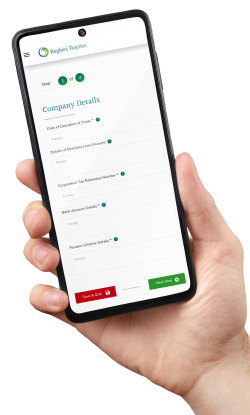
Start your online liquidation today
If you have decided liquidation is the right option for your limited company, you can take the first step and begin the process online using our online portal. Starting the process is quick, simple, and can be done at a time that suits you. Your information will be submitted to your local UK Liquidators insolvency practitioner who will be with you every step of the way. Click here to start your company’s liquidation online.
What are the alternatives to dissolving a company?
Dissolution is not the only way to deal with a solvent company you no longer need.
Members’ Voluntary Liquidation (MVL)
To close the company via a Members’ Voluntary Liquidation, you’ll need to appoint a liquidator to act on your behalf; this typically costs between £2,500 and £3,000. They’ll liquidate the company’s assets, repay your creditors and distribute the remaining funds among the shareholders before formally closing the company down at Companies House.
The benefit of an MVL is that you can take retained profits and proceeds from the sale of assets out of the company as capital, which is subject to Capital Gains Tax, rather than income. This can realise a huge tax saving. You may also be eligible for Business Asset Disposal Relief as part of the process.
When dissolving a company, you take any profits over £25,000 as income and will be required pay a higher rate of tax on this portion. Therefore, despite the liquidation fees, if you have reserves of around £35,000 or more after paying all liabilities, an MVL is likely to be a more cost-effective closure method when compared to strike off.
Register the company as dormant
The other option you have is to register the company as dormant. If you think you may need the company again in the future, registering it as dormant is the best option as the company will still exist, you can keep the business name and you can reinstate it at any time.
How can UK Liquidators help?
If you are thinking about dissolving a company but are unsure whether it’s the best way to close it down, we can help. We can talk you through the available options and guide you on the best course of action. Call today for a free, same-day consultation or arrange a meeting at one of our 100+ offices nationwide.
Jonathan Munnery
Insolvency & Restructuring Expert | 20+ Years Insolvency Experience
Jonathan is a Partner at UK Liquidators and member of both the Insolvency Practitioners Association (MIPA) and The Association of Business Recovery Professionals (MABRP). Jonathan has over 20 years’ experience guiding directors through CVL and MVL processes, helping them understand their options and navigate financial distress with clarity and compassion.
IPA Member MABRP Member IPA Regulated
“ Directors often wait too long before seeking advice. The earlier you call, the more options remain available to you — and the better the outcome for everyone involved. ”
Jonathan is a Partner at UK Liquidators and member of both the Insolvency Practitioners Association (MIPA) and The Association of Business Recovery Professionals (MABRP). Jonathan has over 20 years’ experience guiding directors through CVL and MVL processes, helping them understand their options and navigate financial distress with clarity and compassion.
This site uses cookies to monitor site performance and provide a more responsive and personalised experience. You must agree to our use of certain cookies. For more information on how we use and manage cookies please read our PRIVACY POLICY