High Court Writs are legal orders made by the court. Landlords sometimes use Writs of Possession to evict tenants, for example, but High Court Writs of Control are widely used by creditors to enforce County Court Judgments (CCJs).
High Court Writs of Control allow High Court Enforcement Officers (HCEOs) to collect an unpaid debt by seizing assets from the debtor’s commercial premises, and selling the goods at auction.
If a business receives this type of Writ it means that HCEOs can force entry to the commercial premises under certain conditions. This is why it’s important to seek professional insolvency assistance as soon as possible.
Speed is of the essence if the High Court has issued a Writ of Control against your company, as you only have seven days in which to act. So what are the effects on a business of a High Court Writ of Control, and can you prevent the seizure of goods?
Concerned about National Living Wage and NI increases?
With the rates of both National Living Wage and employer National Insurance Contributions increasing in recent years, this additional cost of employing staff has added more pressure onto already squeezed cash flows. If you are worried about the impact this is having on your company's finances, talk to the experts at UK Liquidators. As licensed insolvency practitioners we can explain your options and help you plot a way forward. Call today on 0808 253 9878.
Ramifications of a High Court Writ of Control
High Court Writs are noted on the Registry Trust for six years, and this negatively affects a business’ ability to obtain borrowing. The total value of seized goods may also exceed the original debt.
This is partly to cover enforcement officer fees, but also because the return from individual goods sold at auction is generally lower than their true value. It’s also worth noting that a High Court Writ of Control typically remains valid for 12 months.
Stop Creditor Pressure
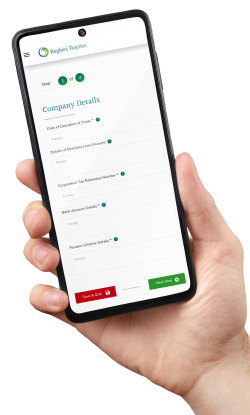
Liquidation Portal For Company Directors
decorative line
Reduce Stress - Lose Creditor Pressure
Clear & Simple Visual Dashboard - Track your Progress
What can you do if you receive a High Court Writ of Control?
Repay the debt in full
Repaying the total outstanding debt is the ideal outcome, but your business may not be in a position to do so. If you can pay off the debt within the seven-day timescale, the Writ will no longer be valid.
Repay the debt in instalments
Your creditor(s) may be open to negotiating an instalment plan for repayment of the debt. As long as you keep up the payments, the High Court Enforcement Officers should take no further action.
Apply for a Stay of Execution
If you have good reason, you can apply for a Stay of Execution. This would give you more time to prepare your defence, so what are the common reasons for making this type of application?
The debt has already been repaid
You weren’t aware of the judgment – perhaps you changed address, for instance
High Court Enforcement Officers didn’t serve the Writ in the correct manner
To apply for a Stay of Execution you should send the £100 fee with Form N244,¹ which is downloadable from the government website. You’ll also need to provide written evidence or a witness statement in support of your application.
It’s important to ensure that you have genuine reasons to make this type of application, however, and be able to provide the required supporting documentation
Consider alternative sources of finance to repay the debt
You may be able to source an alternative form of finance that frees up working capital so you can repay the debt. One such example is invoice finance, which leverages the value of your sales ledger to provide advances on unpaid invoices.
Start your online liquidation today
If you have decided liquidation is the right option for your limited company, you can take the first step and begin the process online using our online portal. Starting the process is quick, simple, and can be done at a time that suits you. Your information will be submitted to your local UK Liquidators insolvency practitioner who will be with you every step of the way. Click here to start your company’s liquidation online.
Seek professional support to deal with a High Court Writ
UK Liquidators can help if you’ve been served a High Court Writ of Control. We’ll provide the professional guidance you need, and present all your options going forward. If liquidation is the ultimate outcome, however, it’s essential to be proactive rather than wait for your creditor to forcibly close down the insolvent business.
Please contact our team of licensed insolvency practitioners to find out more – we offer free, same-day consultations to quickly provide the information you need.
Jonathan Munnery
Insolvency & Restructuring Expert | 20+ Years Insolvency Experience
Jonathan is a Partner at UK Liquidators and member of both the Insolvency Practitioners Association (MIPA) and The Association of Business Recovery Professionals (MABRP). Jonathan has over 20 years’ experience guiding directors through CVL and MVL processes, helping them understand their options and navigate financial distress with clarity and compassion.
IPA Member MABRP Member IPA Regulated
“ Directors often wait too long before seeking advice. The earlier you call, the more options remain available to you — and the better the outcome for everyone involved. ”
Jonathan is a Partner at UK Liquidators and member of both the Insolvency Practitioners Association (MIPA) and The Association of Business Recovery Professionals (MABRP). Jonathan has over 20 years’ experience guiding directors through CVL and MVL processes, helping them understand their options and navigate financial distress with clarity and compassion.
This site uses cookies to monitor site performance and provide a more responsive and personalised experience. You must agree to our use of certain cookies. For more information on how we use and manage cookies please read our PRIVACY POLICY